Programma
Tuesday 19 May 2026
09:00 Welcome
10:00 Opening and keynote of Eveline Crone
Eveline Crone, internationally renowned professor and Spinoza Prize winner, is keynote speaker at SURF Research Day 2026! Drawing on her research in the GUTS project, she will explain how Connecting Minds works in practice. Connecting knowledge and infrastructure helps us better understand how young people grow up in a complex society.
-
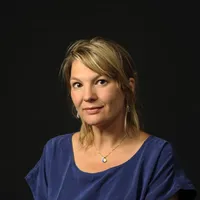 Eveline CroneProfessor of Neurocognitive Developmental Psychology(Leiden University)
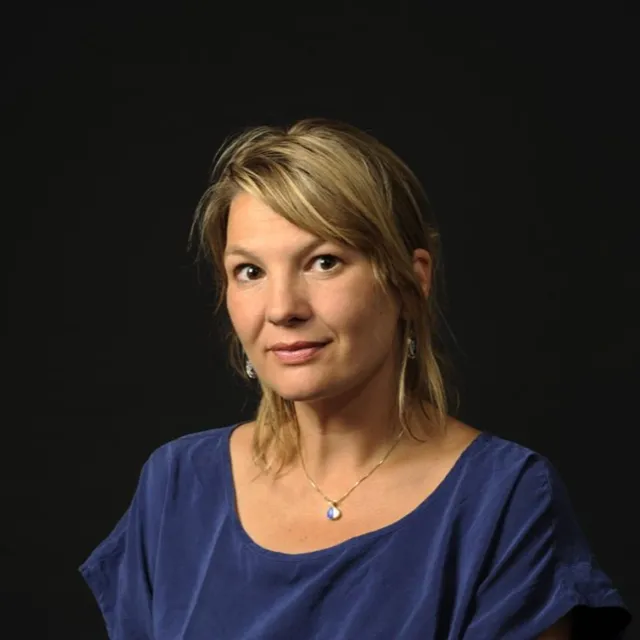 Eveline CroneProfessor of Neurocognitive Developmental PsychologyLeiden University
Eveline Crone is a Dutch professor of neurocognitive developmental psychology at Leiden University, where she heads the Department of Developmental and Educational Psychology at the Institute of Psychology.
Her research examines the psychological and neural processes involved in self-regulation and social development. All of her work employs a developmental cognitive neuroscience approach to examine the relation between brain development and changes in psychological processes from birth to adulthood, with a special focus on adolescence.
11:00 Morning break & poster presentations
In the catering area you can find the following booths.
- RDNL: National platform for data professionals
- 4TU.ResearchData
- TDCC’s
- Publinova: Make practical based research. more visuable and findable
- DCC-PO
- LCRDM Linked Data Working Group
- Dutch Interoperability Network
- Meet the SPII (Open Science infrastructure) - UNL
In the Showroom, you can find inspiration from several poster presentations and a VR demo of the SURF HPC Visualisation team.
- Ldot for Participant Management and Research Workflow - MEMIC, Maastricht University
- FAIR Research Data Management - Training Materials Ready for Reuse - DANS
- Social sciences data? ODISSEI Portal - DANS
- Discover the Research Data Alliance (RDA)'s hidden RDM gems - DANS
- From Community Projects to Sustainable Practices - TDCC-NES
- Synthetic Data: What are we waiting for? - TDCC-SSH
- Connecting Dutch Caribbean Minds - Dutch Caribbean Digital Competence Network
- To sign or not to sign (consent forms) - Geosciences Faculty at Utrecht University
- From code to community: building sustainable research software together - eScience Center
- Landelijke Docs: Contribution Carnival - UBVU Amsterdam
- Measuring Open Science with Large Language Models: A New Toolkit - University of Amsterdam
11:30 Session Round 1
11:30 AI | How to build and use sovereign LLM?
In recent years, the creation of sovereign national and European Large Language Models (LLMs) has accelerated significantly. With numerous initiatives underway, including major projects like OpenEuroLLM and GPT-NL, as well as community-driven efforts such as GEITje, various stakeholders are collaborating to develop LLMs that are trained on official EU languages, leverage national and EU infrastructure, and adhere to open and transparent data management practices.
This discussion will delve into the technical and policy challenges associated with developing these models, while also exploring the potential benefits and implications they may have for research and the public sector. Both for the presence as well as the future.
Join us in this open discussion and let's connect our minds!
Johannes Schleiss (SURF) will moderate this discussion.
-
 Roel BoumansAssistant Professor(Behavioural Science Institute of the Radboud University)
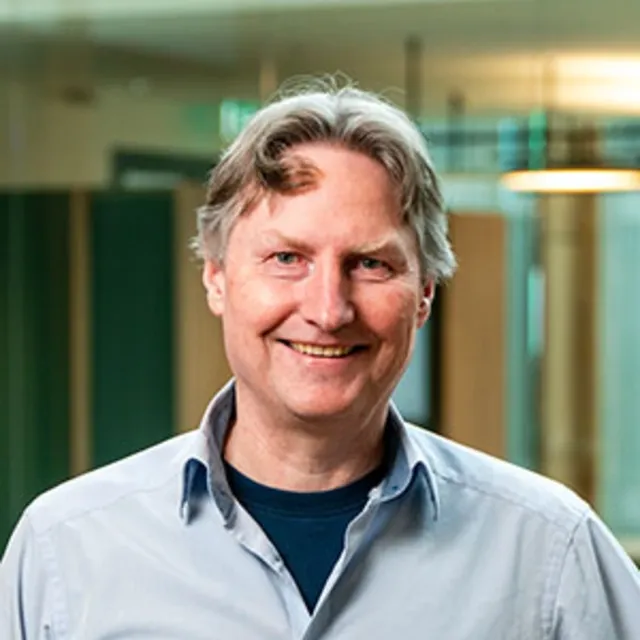 Roel BoumansAssistant ProfessorBehavioural Science Institute of the Radboud University
Roel Boumans graduated from Delft University of Technology in Aerospace Engineering on the topic of space robotics in 1988. He worked in industry for over 25 years, and obtained is PhD in Medical Sciences at Radboud University in 2020 on the topic of robots in healthcare. He is now working as an assistant professor at the Behavioural Science Institute of the Radboud University. He has started in 2020 the social human agent and robot communication (SHARC) lab on research into designing and building virtual humans. Several experiments have already been done with virtual humans for healthcare, politics, sports and commerce.
-
 Diana OnutuDoctoral Candidate researching(Eindhoven University of Technology)
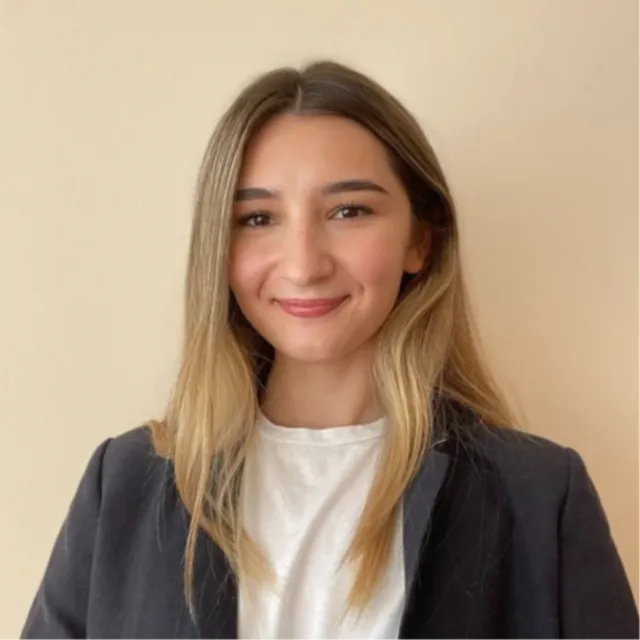 Diana OnutuDoctoral Candidate researchingEindhoven University of Technology
Doctoral candidate researching the development and use of EU foundation models within the OpenEuroLLM project. Diana is working at the AMOR/e Lab at the Eindhoven University of Technology. Her current research focuses on scaling multilingual dense and diffusion large language models. Diana graduated with a MSc in Data Science & AI with a thesis on Graph Score Matching for Cosmology.
-
 Edwin RijgersbergFounder & Developer(AI Studio Delta & GEITje (LLM))
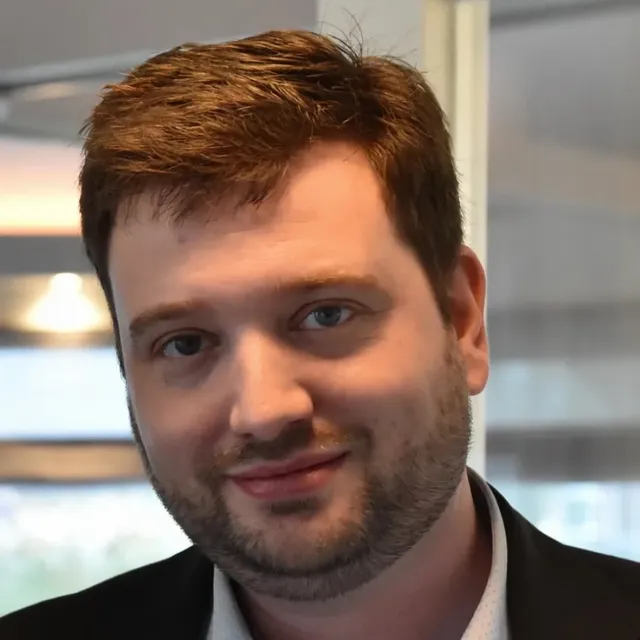 Edwin RijgersbergFounder & DeveloperAI Studio Delta & GEITje (LLM)
As the founder and AI-expert at AI Studio Delta, Edwin develops trustworthy and compliant AI applications for Dutch partners. Before AI Studio Delta, Edwin worked at the Netherlands Forensic Institute on custom AI solutions for criminal justice applications. As a side project, Edwin developed an open Dutch large language model that was later taken down following objections from BREIN regarding the use of training data.
11:30 Data management | FAIR in practice: Promise versus reality
The FAIR principles are pushed as a standard for a decade now, but implementation is lagging. In this Challenge session we will investigate and discuss with you, experts and your peers, how to improve FAIR practices in research.
How big is the gap between FAIR as a policy and FAIR as daily practice in your research environment? What can you do in your role to close that gap? What kind of support is needed to help you? Together, we will look for the best ways to move forward and implement the FAIR principles in practice.
Do you have good ideas for this or specific challenges you want to bring to the table? Join us in this open discussion and let's connect our minds!
Jeroen de Wijn (SURF) will moderate this discussion.
-
 Egon WillighagenResearcher & teacher(Maastricht University)
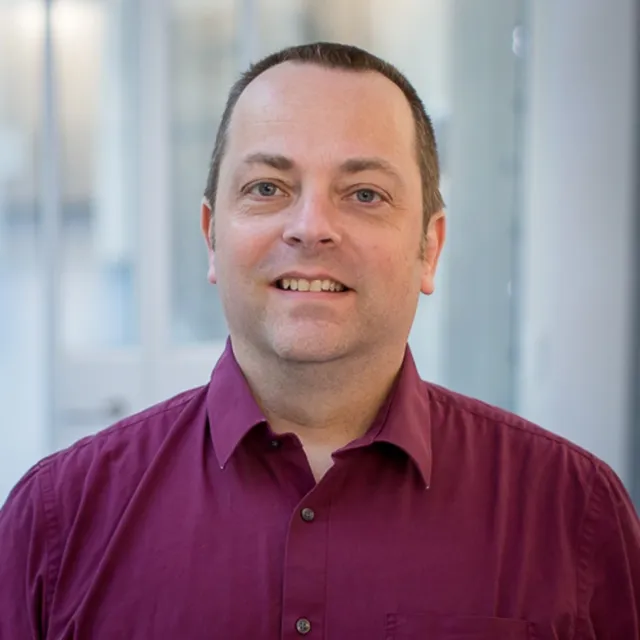 Egon WillighagenResearcher & teacherMaastricht University
Researcher and teacher at Maastricht University.
-
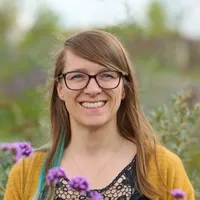 Ricarda Braukmann(DANS)
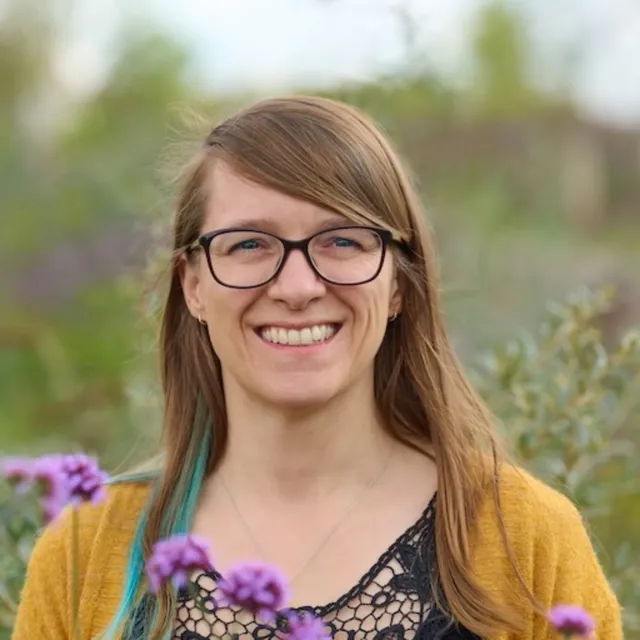 Ricarda BraukmannDANS
Dr. Ricarda Braukmann is Data Station Manager Social Sciences at DANS – the Dutch national centre of expertise and repository for research data. In her work, she supports FAIR data management and Open Science practices. She is involved in various (inter)national research infrastructure projects, including the development of the ODISSEI Portal which makes Dutch social science data discoverable.
-
 Walter Baccinelli(Health-RI)
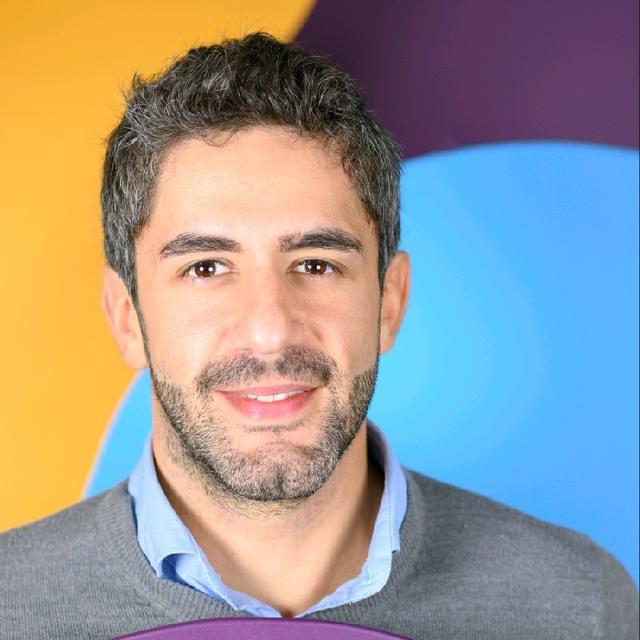 Walter BaccinelliHealth-RI
Research Software Engineer and Interoperability Expert at Health-RI
11:30 Digital autonomy | How to move from Ambition to Action?
How can you reduce undesirable dependency on external digital platforms, tools and infra and take greater control of your research?
In this interactive Challenge Session, you’ll explore the future of digital autonomy in an open space together with researchers, experts and peers. This is not a passive talk, it’s a dynamic, thought-provoking discussion where your perspective, thoughts and experience matter. Together, we’ll explore the impact of technology, the role of policy, and the power of the research community.
Join us in this open discussion and let's connect our minds!
Annette Langedijk (SURF) will moderate this discussion.
-
 Emile Bijk(HKU Utrecht)
Emile BijkHKU Utrecht
Emile Bijk(HKU Utrecht)
Emile BijkHKU UtrechtEmile Bijk (1971) graduated from Radboud University in Communication Science on the topic of information elasticity in E-commerce. After a short career in communication consultancy he started at HKU Utrecht University of the Arts as a co-ordinator of projects on digital facilities.
During the past 25 years he led the Networking and Information Department at HKU focusing on open source and creative technologies. Furthermore he participated in several European Research projects on E-learning and technology and was technical liaison in cultural exchange programs and development aid projects (Ghana, Costa Rica) Currently he acts as Chief Information Officer and Head of the IT department of HKU.
-
 Oskar Gstrein(University of Groningen)
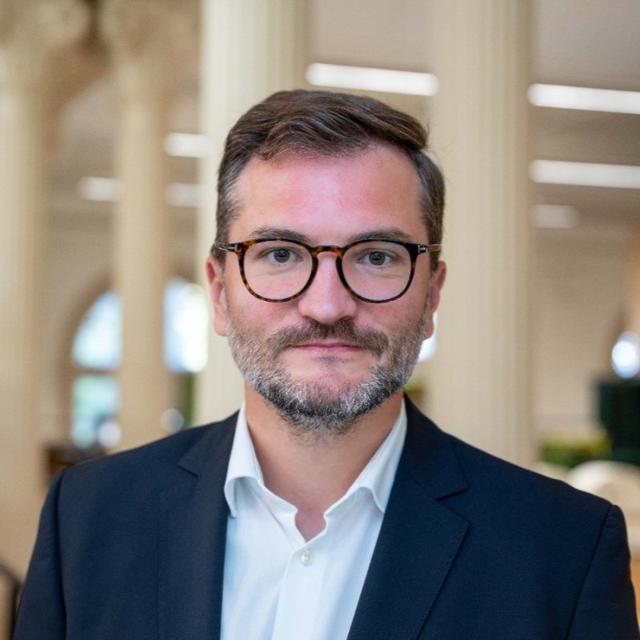 Oskar GstreinUniversity of Groningen
Oskar Gstrein (he/him) is Associate Professor at the interdisciplinary Faculty Campus Fryslân. He is also Programme Director of the BSc Data Science & Society, Scholar on 'Data Autonomy' at the Jantina Tammes School of Digital Society, Technology and AI, and Member of the University of Groningen Alliance for Digital Autonomy (ADA).
His overall research theme is 'Human Dignity in the Digital Age'. In his research he explores the transitions from (e.g. legal/ethical/policy) principles to concrete legal or governance frameworks in the areas of digital autonomy and artificial intelligence. His research also covers the topics data protection, value-based digital infrastructure, and security related research.
Oskar joined the University of Groningen to work with the first UN Special Rapporteur on the right to privacy on aspects related to internet governance. His teaching is inspired by a contemporary interpretation of the Humboldtian model of higher education.
-
 Marije de Vries(University of Utrecht)
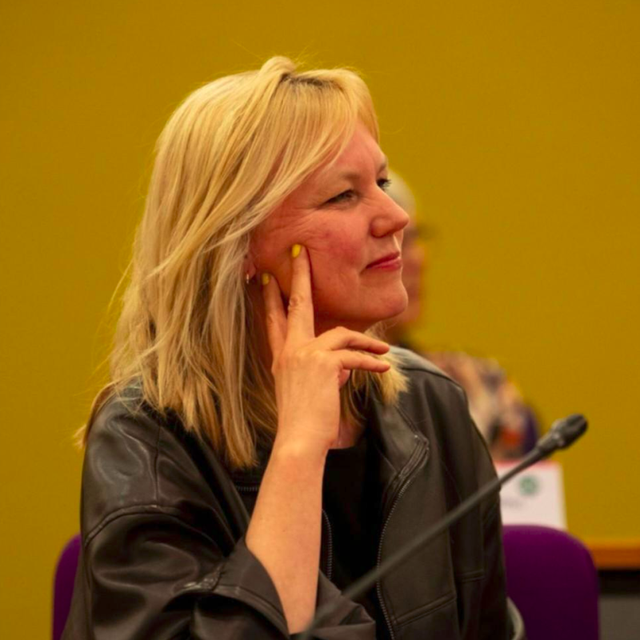 Marije de VriesUniversity of Utrecht
Kwartiermaker Digitale Autonomie Universiteit Utrecht & Domeinhoofd IT, Huisvesting en Veiligheid faculteit Diergeneeskunde.
11:30 Open Science | How to create a sustainable open science infrastructure?
In this Challenge session we will investigate and discuss with you, experts and your peers what it takes to create sustainable infrastructure to support open science practices.
We all know it. The sustainability paragraph of your Project proposal. Of course you want your research infrastructure/tools to last beyond the project period. But you also know, there are many stakeholders that determine whether or not that can be realised. Guarantees are hard to give, but how can you optimise the chance that your infrastructure will last?
Join us in this open discussion and let's connect our minds!
John Doove (SURF) will moderate this discussion.
-
 Menno Rasch(Netherlands eScience Center)
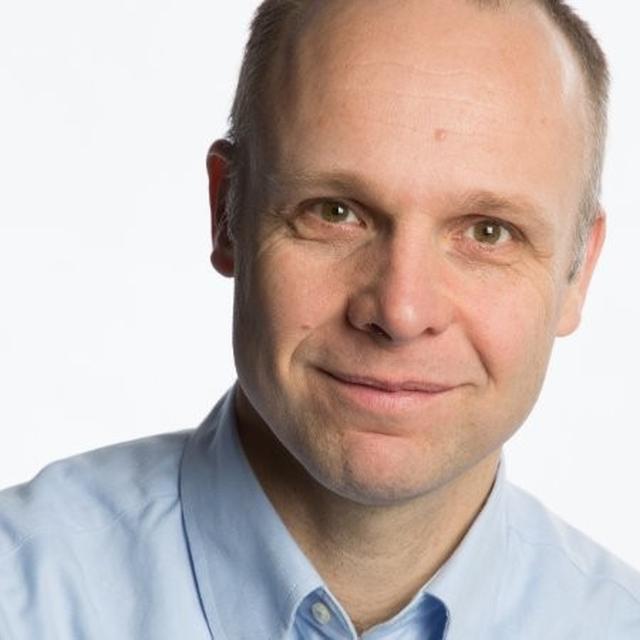 Menno RaschNetherlands eScience Center
Director Netherlands eScience Center
-
 Jeroen Sondervan(Open Science NL)
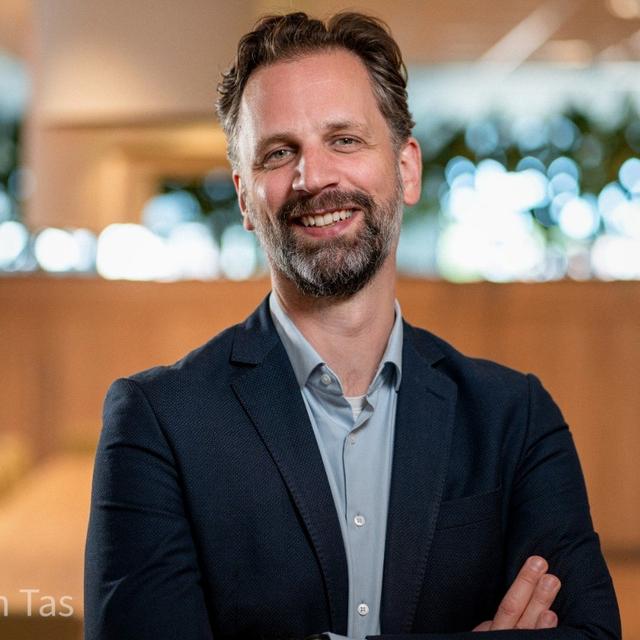 Jeroen SondervanOpen Science NL
Programme Leader Open Scholarly Communication at Open Science NL.
-
 Kevin Ike(SURF)
 Kevin IkeSURF
Productmanager - Open Science Innovation & Skills at SURF.
11:30 Research infra | How to improve collaboration in research?
In this Challenge session we will discuss how you share one or more infrastructures (data and compute) when you collaborate during your research project. In the session, we will prioritize the topics for further discussion and focus on the main challenges and potential solutions.
Think of:
1) Data storage and Discovery: Where is the data stored and how can your collaborators find it?
2) Data governance: where to implement data governance policies?
3) Compute workflows: how is this embedded/automated in your compute workflows?
4) Future-proofing data: what about the future storage challenges for re-use?
5) Sensitive data handling: what about sensitive data needs?
6) Cost and ownership: who should pay for what and where is the ownership?
If any of these challenges have crossed your paths, this challenge session is your opportunity to exchange ideas on how to solve these challenges.
Join us in this open discussion and let's connect our minds!
Magriet Miedema (SURF) will moderate this discussion.
-
 Menno de VriesInformation Management Advisor(Princess Máxima Center)
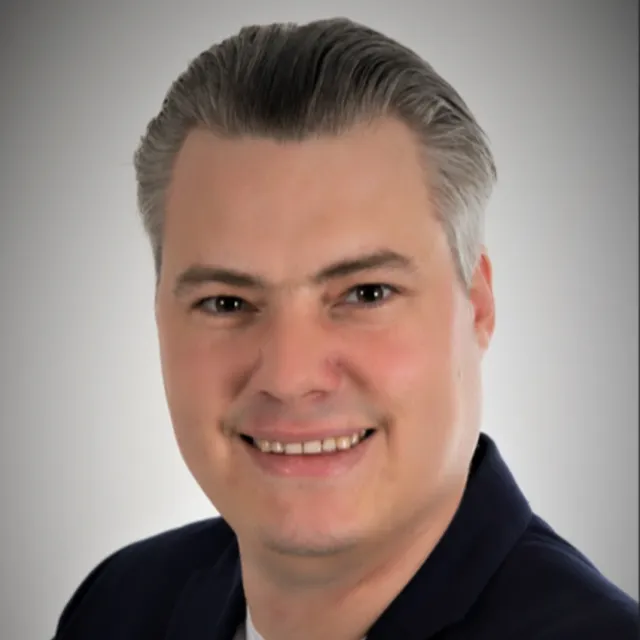 Menno de VriesInformation Management AdvisorPrincess Máxima Center
Menno de Vries is an information management advisor at the Princess Máxima Center, where he plays a key role in strengthening the organization’s research data and Research‑IT landscape. With a background in biomedical sciences, he works closely with researchers, data stewards, and IT‑Research specialists to improve data governance, streamline workflows, and support the adoption of FAIR and secure data‑handling practices across the institute. He is implementation lead of the findability infrastructure for research, enabling researchers to easily locate and explore distributed datasets across the organization and beyond.
11:30 Training & skills | How to train researchers in digital skills?
Do you also struggle to equip researchers with the right knowledge and digital skills? Rapid technological developments - such as AI, new digital research infrastructures, and evolving data practices - mean that training needs are constantly changing. Come to our discussion session to share the bottlenecks you experience.
The landscape of digital skills training is fragmented, as many organisations offer training to researchers on a variety of topics. Local Digital Competence Centers have the ambition to improve the organisation and delivery of training for researchers. One of the means to achieve this is through active collaboration.
Through an open discussion with the audience, fueled by experts in the field, we want to collect input that we can use in further collaborations. The discussion will focus on practical questions: How to collaborate (within and across institutions) on developing and maintaining training materials? What are the main barriers that need to be overcome? And how can we ensure that these efforts are sustainable?
Two current examples that aim to tackle this challenge and find sustainable solutions for delivering digital skills training via regional collaborations are the projects - Programming CAFEs and Building Digital Capacity for NES (DC4NES).
Programming CAFEs (Code Along, Feel Empowered) foster inclusive spaces where researchers can develop and share coding skills. DC4NES focuses on regional Training Hubs and Collaborative Lesson Development, enabling institutions to pool instructors, share responsibilities, and deliver workshops even with limited resources.
These examples, together with other initiatives put forward by experts from the audience, will serve to inspire the discussion. We are looking forward to hearing your perspective!
Eva Lekkerkerker from Netherlands eScience Center will host the open discussion.
-
 Peter Hinrich(SURF)
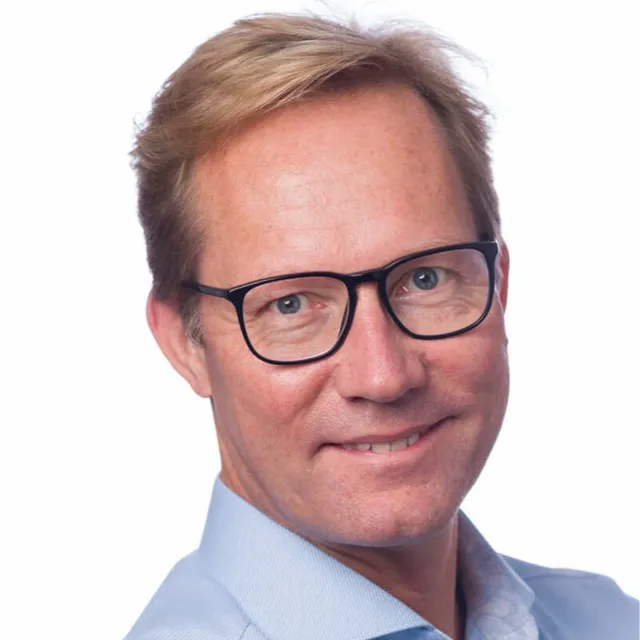 Peter HinrichSURF
Peter has many years of experience at SURF in supporting research and has been involved in programmes such as Enlighten Your Research, Support4research, masterclasses in research support and the SURF research boot camp. Since the emergence of DCC's, he has set up a programme with CfPs for SURF-DCC projects and is now rolling out a programme called Build skills and capacity, with the aim of making sure researchers have the right skills needed for the digitisation of science.
-
 Jolien ScholtenRDM specialist(Vrije Universiteit Amsterdam)
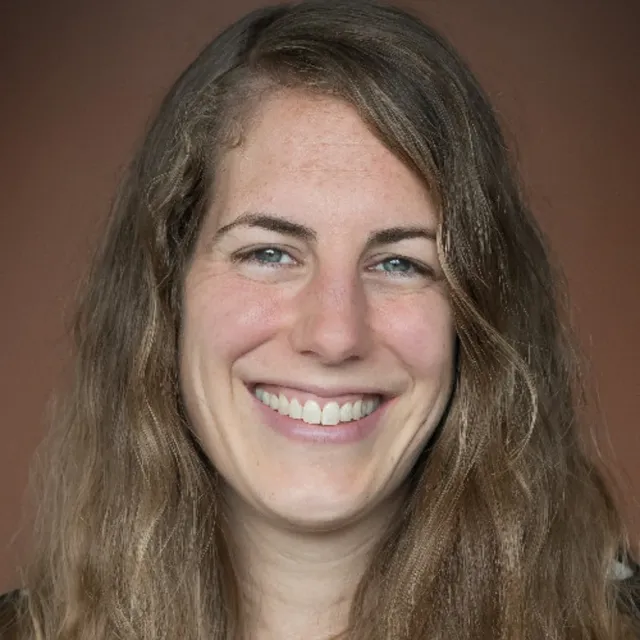 Jolien ScholtenRDM specialistVrije Universiteit Amsterdam
Jolien is RDM specialist at the Vrije Universiteit Amsterdam and chair of the UKB working group Research Data
-
 Marcel RasManager Netwerk Research Data Support(Vrije Universiteit Amsterdam)
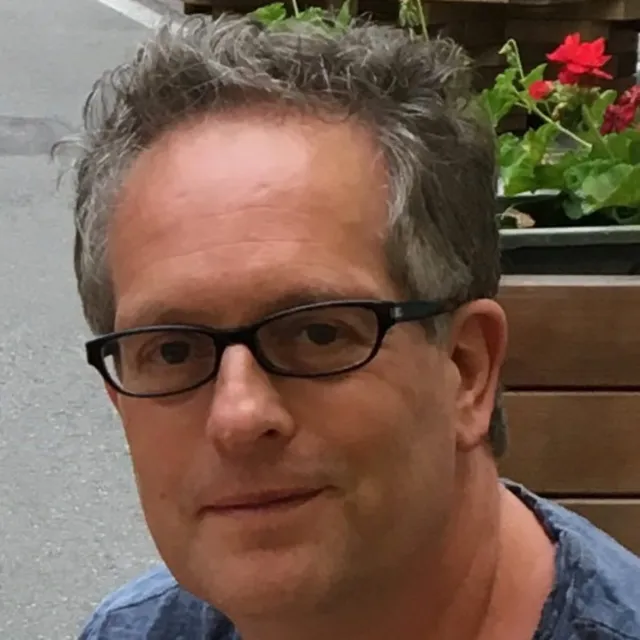 Marcel RasManager Netwerk Research Data SupportVrije Universiteit Amsterdam
Marcel is Manager Netwerk Research Data Support bij Vrije Universiteit Amsterdam and chair of the DCC-IN.
-
 Bjørn Bartholdy(TU Delft)
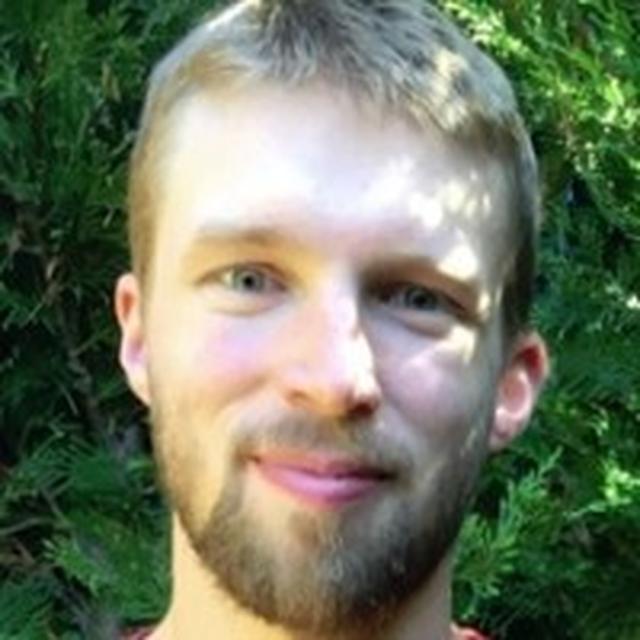 Bjørn BartholdyTU Delft
Data steward and guest researcher at TU Delft
-
 Fenne Riemslagh(Netherlands eScience Center)
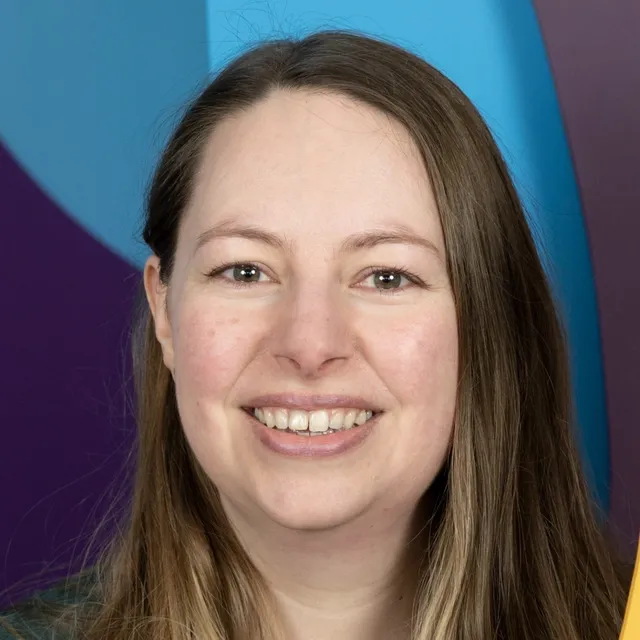 Fenne RiemslaghNetherlands eScience Center
Training Coordinator Netherlands eScience Center
12:15 Lunch, activities & poster presentations
Join ‘Connecting Steps’ and take a walk outside!
Step outside, meet someone new or join with a person you know, and explore fresh perspectives during this 2 km walk filled with thought provoking questions along the way. You will head out in small groups or pairs, connect your ideas, and who knows, you might even win a prize.
Sign up at the SURF info desk during the morning until 12:15. At 12:15, pick up your lunch to go and head outside.
In the catering area you can find the following booths.
- RDNL: National platform for data professionals
- 4TU.ResearchData
- TDCC’s
- Publinova: Make practical based research. more visuable and findable
- DCC-PO
- LCRDM Linked Data Working Group
- Dutch Interoperability Network
- Meet the SPII (Open Science infrastructure) - UNL
In the Showroom, you can find inspiration from several poster presentations and a VR demo of the SURF HPC Visualisation team.
- Ldot for Participant Management and Research Workflow - MEMIC, Maastricht University
- FAIR Research Data Management - Training Materials Ready for Reuse - DANS
- Social sciences data? ODISSEI Portal - DANS
- Discover the Research Data Alliance (RDA)'s hidden RDM gems - DANS
- From Community Projects to Sustainable Practices - TDCC-NES
- Synthetic Data: What are we waiting for? - TDCC-SSH
- Connecting Dutch Caribbean Minds - Dutch Caribbean Digital Competence Network
- To sign or not to sign (consent forms) - Geosciences Faculty at Utrecht University
- From code to community: building sustainable research software together - eScience Center
- Landelijke Docs: Contribution Carnival - UBVU Amsterdam
- Measuring Open Science with Large Language Models: A New Toolkit - University of Amsterdam
13:15 Session Round 2
13:15 Beyond “Big” Data: Building Infrastructure for “Thick” Data
Does your research rely on interviews, qualitative fieldwork, or creative methods — or do you build digital infrastructure for researchers who do? Either way, you are likely hitting the same gap from opposite sides.
While national and European data strategies race to create infrastructures to securely and efficiently manage "Big Data" (e.g., satellite imagery, sensors, IoT streams), a quieter crisis is unfolding for "Thick Data" (e.g., qualitative insights, narratives, observations, visuals), as it lacks appropriate infrastructure for it to thrive. Thick data is experiential, contextual, and meaning-rich, yet often unstructured, which makes it challenging for existing infrastructure to enable FAIR (Findable, Accessible, Interoperable, Reusable) use. Furthermore, thick data workflow is never neutral - it shapes whose experiences become data, who interprets them, and who gets to reuse them.
In this open discussion, you will explore an interactive dialogue on:
- Infrastructure gaps: What gaps do you face when collecting, storing, analysing, and sharing thick data, and where does the current infrastructure fall short?
- FAIR for thick data: How FAIR principles can be applied to thick data? You will debate how FAIR applies when your data is a sketch, an interview transcript - not a spreadsheet.
- AI tools: how emerging AI tools for transcription, thematic analysis, and pattern recognition are opening new possibilities for thick data research and what risks of bias or loss of nuance come with them.
Join us to take first steps toward a thick data infrastructure — one that treats human experience with the same rigor as numerical data.
-
 Abhigyan SinghAssistant Professor of Design Anthropology(TU Delft)
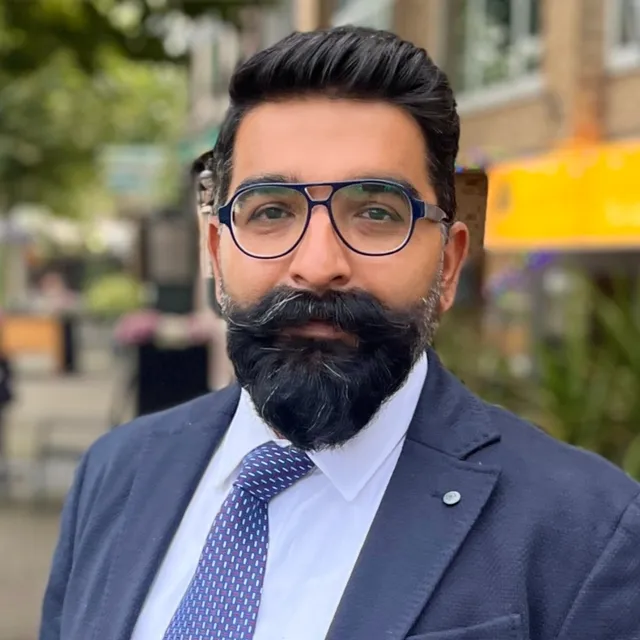 Abhigyan SinghAssistant Professor of Design AnthropologyTU Delft
Abhigyan Singh is an Assistant Professor of Design Anthropology for Social Change at the faculty of Industrial Design Engineering at TU Delft and a Research Fellow at the Amsterdam Institute for Advanced Metropolitan Solutions (AMS Institute). His research investigates how energy and climate transitions unfold in everyday life at neighbourhood and community scales across the Global North and Global South. His work centres on fairness, inclusion, and justice; non-market value exchange (reciprocity, gifting, sharing); and he develops hybrid approaches that combine design, digital, computational, and traditional techniques for qualitative field research. His work has been exhibited at Dutch Design Week and recognized with the WWNA Apply Award.
-
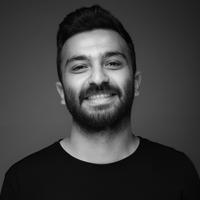 Mert Akay(TU Delft)
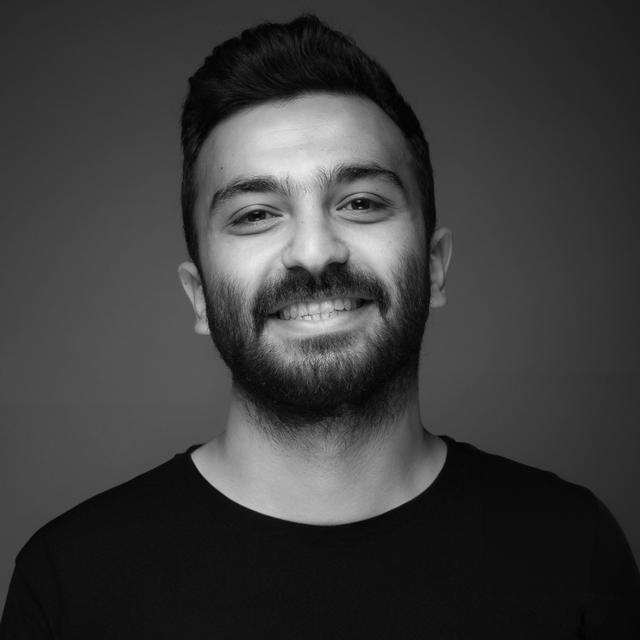 Mert AkayTU Delft
Mert Akay is a PhD Researcher at the Faculty of Industrial Design Engineering, TU Delft, and a Visiting Researcher at the MIT Senseable City Lab. His research sits at the intersection of urban morphology, urban data science, and machine anthropology, with a focus on urban climate adaptation. His PhD investigates multi-scale urban heat inequalities by integrating large-scale morphological and climate data with lived experiences, using novel machine learning methods to bridge big data with thick data. His work has been funded by research grants from the TU Delft Climate Action Programme and the TU Delft-IIT Delhi collaborative research initiative, and has been published in Building and Environment, Urban Design International, and Habitat International.
-
 Vanessa MonnaPostdoctoral Researcher(TU Delft)
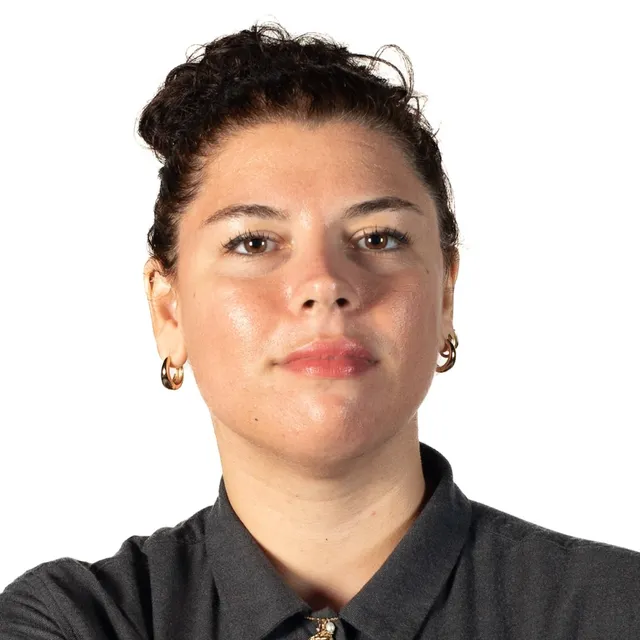 Vanessa MonnaPostdoctoral ResearcherTU Delft
Vanessa Monna is a Postdoctoral Researcher at TU Delft, Department of Human-Centred Design, Co-Designing Social Change section. She is involved in two EU-funded LIFE projects: Hands-On: Learning Processes to build Multi-stakeholder Energy and Climate Assemblies towards a Just and Clean Energy Transition and Irene: Catalysing Inclusive, Representative, Equitable Energy reNovation wavE. The projects regard energy transition and justice, enabling fair and inclusive pathways for systemic change. She is coordinating the Resilient Delta Initiative Tiny Lives Unseen, which explores how low-cost cameras can help people observe insect life in urban environments and how such technologies shape citizens’ engagement with biodiversity.
Before TU Delft, she was a Postdoctoral Fellow at Polimi DESIS Lab. Her PhD focused on Civic Design, and she was a Visiting PhD Scholar at the IIT Institute of Design in Chicago. Vanessa has over ten years of international teaching experience in Design. -
 Natalia Romero HerreraAssociate Professor
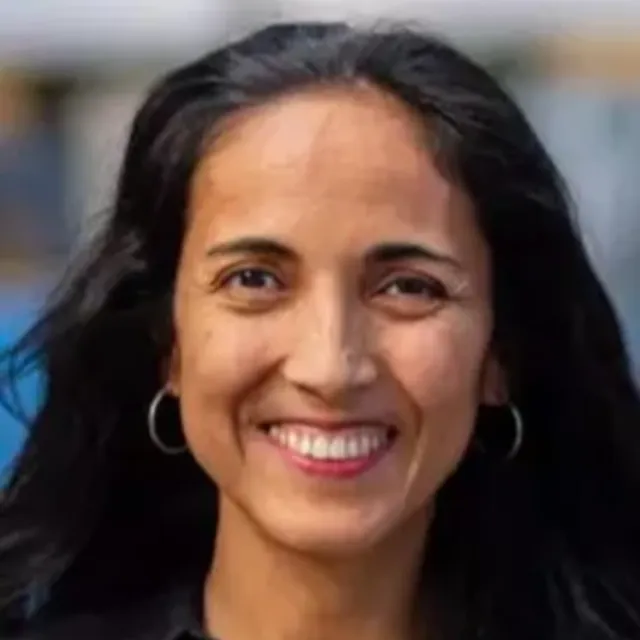 Natalia Romero HerreraAssociate Professor
Associate Professor in Social - Digital Innovations for Energy transitions and Climate change. Designing for just participation and feedback loops through data-driven narratives as boundary objects
13:15 Connecting Minds Around Cloud-Native Research Infrastructure
Do you still see researchers downloading large datasets to their laptops before starting analysis? Despite the availability of cloud platforms and large online datasets, this remains common practice in many research fields. But what is holding us back from more efficient, cloud-native approaches?
In this open discussion you will exchange experiences with others who support research infrastructures and digital research practices in the Netherlands. Together you will explore what is needed to make cloud-native data access and processing easier and more widely adopted across research domains.
You will discuss questions such as:
- What technical, organisational or skills barriers still prevent researchers from using cloud-native workflows?
- Where are the biggest gaps in infrastructure, training, standards or coordination?
- How can community-driven initiatives be supported by institutions and national infrastructures?
You will work together to identify concrete challenges, needs and opportunities. The goal is to produce a shared list of priorities and possible next steps for the Dutch research ecosystem.
The discussion builds on experiences from recent national initiatives exploring cloud-native research infrastructures, but the focus will be broader: connecting insights across disciplines and institutions.
If you work on research support, digital infrastructure, data services or policy, this session offers a chance to compare perspectives and help shape future approaches for more efficient research workflows.
-
 Serkan Girgin(Universiteit Twente)
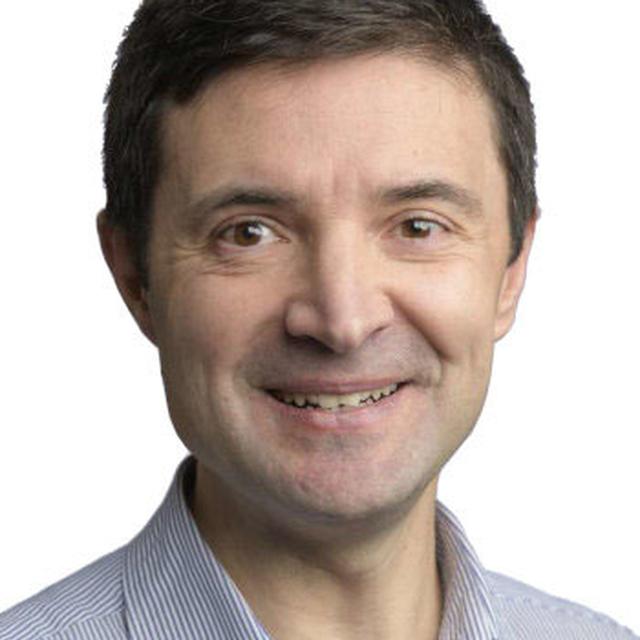 Serkan GirginUniversiteit Twente
Dr. Girgin is the lead of the Center of Expertise in Big Geodata Science, a facility advancing geospatial big data and cloud computing technologies. His research focuses on scalable, cloud-native geospatial data access and processing, with particular attention to performance and energy efficiency. He develops tools and platforms that support Open Science and best practices in research data management and research software development. He has led the design and development of platforms such as Open Data Explorer and OpenSTAC, enabling efficient discovery and access of large-scale research data. His leads collaborative projects, including CLOUD-NES and ECO-SCALE. He had also developed methodologies and systems for industrial risk assessment, including the European Commission's eNatech database and the RAPID-N system. He serves on the ESA DestinE Sounding Board NL, is an eScience Center Fellow, and a SURF Research Support Champion.
-
 Martin Brandt(SURF)
 Martin BrandtSURF
Cloud consultant at SURF
-
 Francesco NattinoSenior Research Software Engineer(eScience Center)
 Francesco NattinoSenior Research Software EngineereScience Center
Francesco is a Senior Research Software Engineer at the Netherlands eScience Center, the Dutch national center of expertise for software in academic research. In his position, he collaborates with researchers on topics related to Environment and Sustainability, combining experience in data handling and HPC with a more recently developed passion for geospatial applications.
-
 Maarten PliegerDeveloper GEO-ICT(KNMI)
 Maarten PliegerDeveloper GEO-ICTKNMI
Currently I work on building a web based meteorological workstation in the GeoWeb project. I am looking for better ways to make use of cloud native storage in this project.
GIS specialist and Developer GEO-ICT. Author and developer of the adaguc-server tooling to make Web Map Services (WMS) of Meteorological data. I'm interested in big data, machine learning, visualization, spatial analytics and everything related to GIS. My technical skills have included several programming languages as well as a wide range of platforms and software such as C++, Python, R Studio, UML, Material UI, TypeScript, etc.
13:15 Developing DigiLab Toegepaste Kennis – a virtual facility for sharing data and models
Do you also spend months arranging access to data, models or computing power from other institutions before your research can even begin? Many collaborative projects run into delays because infrastructure, agreements and access are arranged ad-hoc every time.
The DigiLab Toegepaste Kennis virtual research environment aims to change this. This initiative is being developed and explores how knowledge institutions can securily connect data, models and computing power so researchers can collaborate much faster across organisations.
In this session you will learn about our ambitions and ideas in realizing this facility. You will also learn about the first steps we took in this 5-year project funded by the Ministry of Economic Affairs with the help of specialists SURF and TNO ISP (ICT, Strategy and Policy). This involves challenges in architecture and security, governance and cost coverage, community building, implementation and adoption. The community building involves not only researchers, but also developers, ICT specialists, clients and stakeholders.
We look forward to reaching out to you in this session to connect with us and starting sharing knowledge and experiences, and hopefully data, model and compute power in the future.
This session is also an invitation. The environment will only succeed if it reflects the needs of the research community. If you collaborate across institutions or expect to in the future you can help shape how this facility should work and how researchers like you could use it.
Erik Kentie (SURF) will moderate this discussion.
-
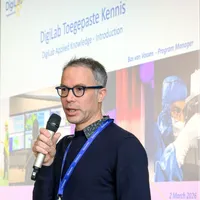 Bas van VossenAdvisor digital system applications and innovations(Deltares)
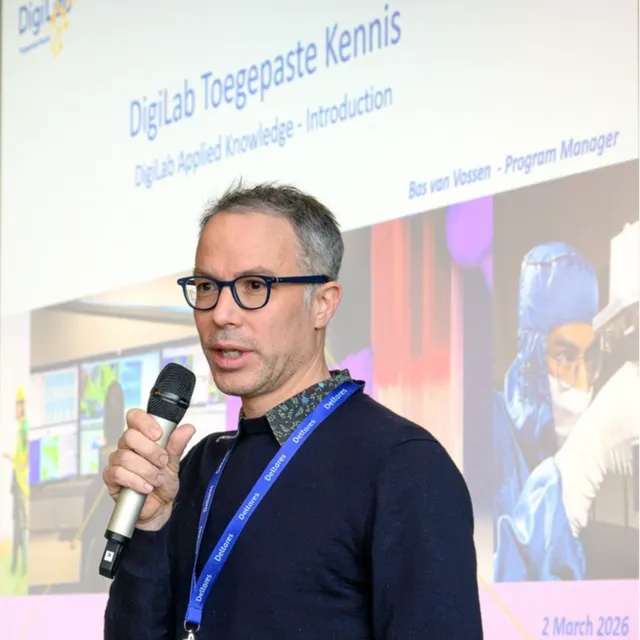 Bas van VossenAdvisor digital system applications and innovationsDeltares
Bas van Vossen is advisor digital system applications and innovations for delta and water technology at Deltares. He is program manager of DigiLab Toegepaste Kennis (Applied science and technology), an initiative of 10 leading applied science institutes in The Netherlands to enhance the use of each others' data, algorithms, models and computational facilities through development of a federative virtual research facility. He has over 20 years experience with international projects, has been department head for over 9 years, and is product business owner of the Linux computational cluster at Deltares. At this research day he will share the ambitions and ideas in realizing DigiLab Toegepaste Kennis.
-
 Anastasia YagafarovaEconomist(TNO)
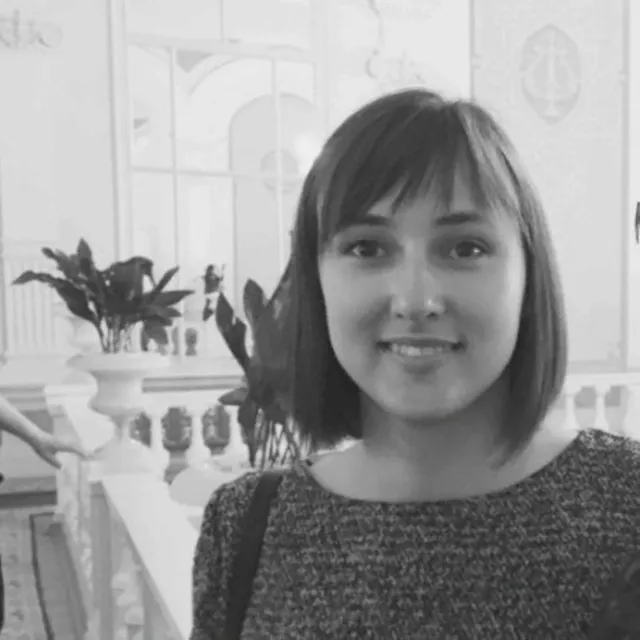 Anastasia YagafarovaEconomistTNO
Economist and Consultant at TNO
-
 Erik Kentie(SURF)
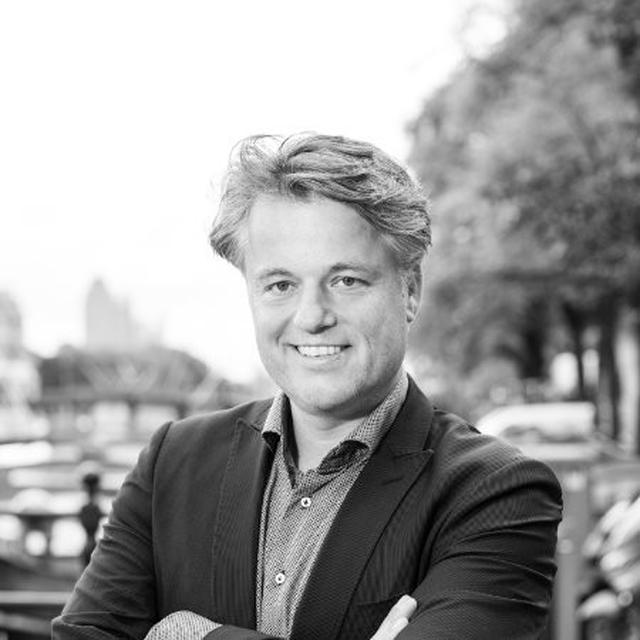 Erik KentieSURF
Business Development- and Program Manager SURF
13:15 Exploring Interoperability by Connecting People, Data and Systems
Unsure how to make your data, software, or workflows truly interoperable? Do standards such as file formats, metadata schemas, and shared vocabularies feel difficult to apply in practice ? And how do these challenges relate to integrating and collaborating across fragmented research-IT infrastructures?
In this open and informal session, we explore what it really takes to make interoperability work in practice. You share your experiences, hear how others tackle similar challenges, and uncover where researchers often encounter difficulties when choosing or applying standards. You also exchange ideas on how to train and support researchers in making choices that empower interoperability.
You will hear how the Dutch Interoperability Network (DIN) connects communities across domains to address shared challenges, stimulate collaboration and co-develop training. You will also gain insight into SURF’s Innovation Zones (IZ), where collaborative efforts are already working toward a more integrated and user-friendly research-IT ecosystem in the Netherlands by improving access, workflows, and use of infrastructure.
Interoperability is not something you can fix on your own. It takes shared understanding, coordination, and community effort. Join the session to connect with peers, explore collaboration opportunities, and help identify concrete focus areas and actions that DIN and the SURF IZ can take forward. Your input will directly influence what comes next.
-
 Sreenithya AvadakkamInteroperability Community Manager & Trainer(Vrije Universiteit Amsterdam)
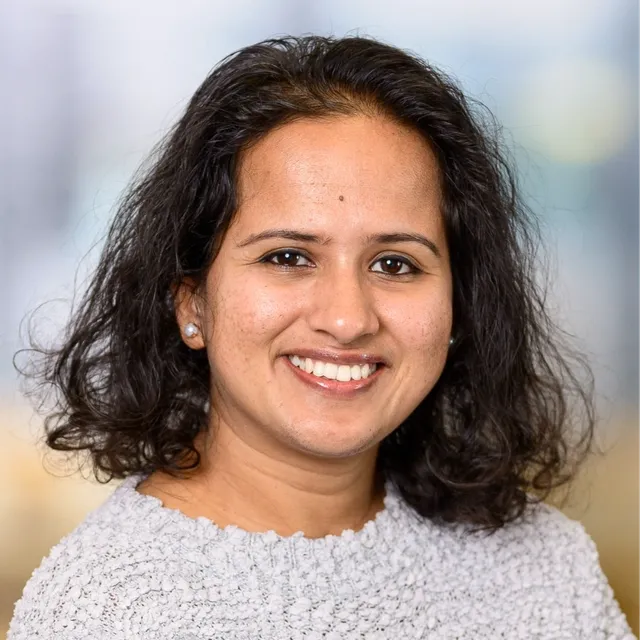 Sreenithya AvadakkamInteroperability Community Manager & TrainerVrije Universiteit Amsterdam
Interoperability Community Manager and Trainer at Vrije Universiteit Amsterdam, exploring methods to make research data interoperable and reusable.
-
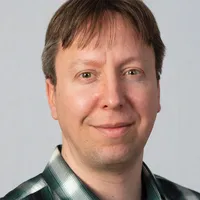 Raymond Oonkprogram manager(SURF)
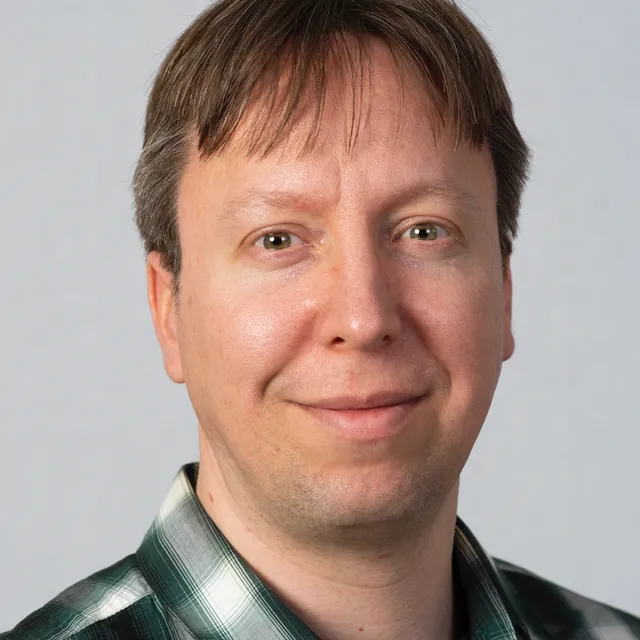 Raymond Oonkprogram managerSURF
Raymond Oonk is a program manager at SURF. Within the SURF Innovation Zone for Infrastructures he leads the programmes on "Federation & Interoperability" and "Sustainability & Governance". Together with Research Groups, Digital Competence Centers and Tier 2 HPC centers, he aims to prepare the Dutch research supporting IT ecosystem for the future needs by researchers.
-
 Maryam Mazaheri(Maastricht University)
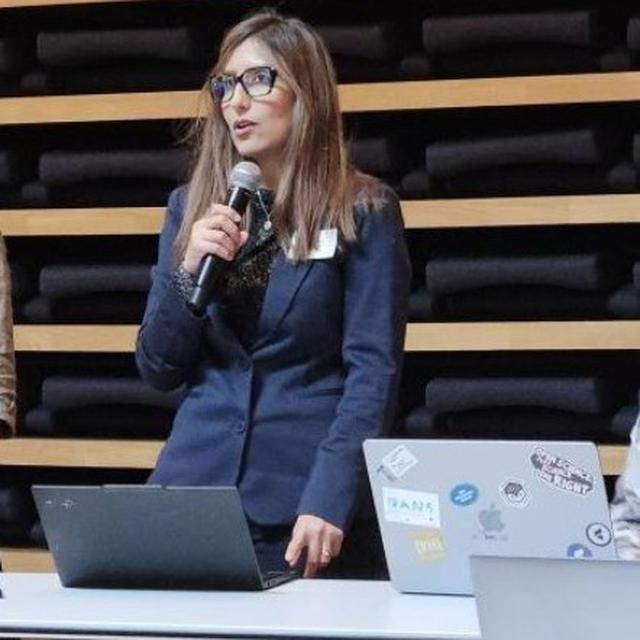 Maryam MazaheriMaastricht University
Product Owner Linked Data and Community Manager Interoperability at Maastricht University Library. She focuses on embedding linked data and interoperability into everyday research practices across disciplines, facilitating collaboration, knowledge exchange, and cross-organisational alignment.
-
 Ari Asmi(TU Delft)
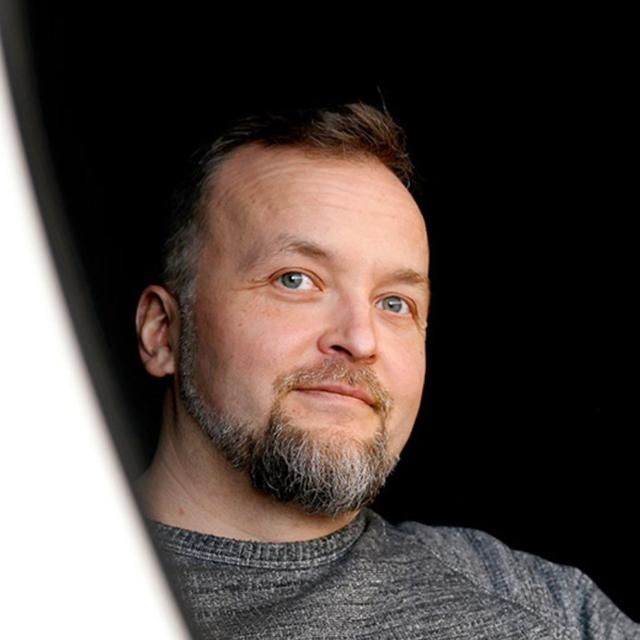 Ari AsmiTU Delft
Data interoperability Community Manager in both Leiden University and in TU Delft. He has a long career in improving interdisciplinary data interoperability in research infrastructures, and working with scientists, science support and management across disciplinary borders. He is particularly interested in making interoperability a practical tool for of research instead of an abstract requirement.
13:15 FAIR by design and EHDS-ready: a metadata backbone for research
Are you looking for a practical way to make your organization ready for the European Health Data Space (EHDS) and ensure that internal datasets are consistently registered and FAIR? Many organizations struggle to keep track of which datasets exist, how they relate to each other, and how to make them transparently available. In this session, you will learn how a structured metadata collection and validation process improves data findability and reusability, which in turn increasing research efficiency and strengthening both internal and external research collaborations.
You will explore how an open‑source workflow based on Data Stewardship Wizard (DSW) guides researchers step‑by‑step through essential metadata elements. You will also see how this process becomes truly effective once it is embedded in internal policy and connected to a findability platform for searchable metadata.
After this session, you will understand:
- How to design a future‑proof metadata registration process that supports your organization’s EHDS readiness.
- Which core elements make datasets consistently discoverable, FAIR, and usable across projects.
- How to combine tooling, workflows, and internal policy into one scalable and transferable approach.
In summary, this session offers a practical blueprint you can use to enhance data discoverability, boost research efficiency, and accelerate your path towards the EHDS era.
-
 Pieter BroereInformation Management Advisor
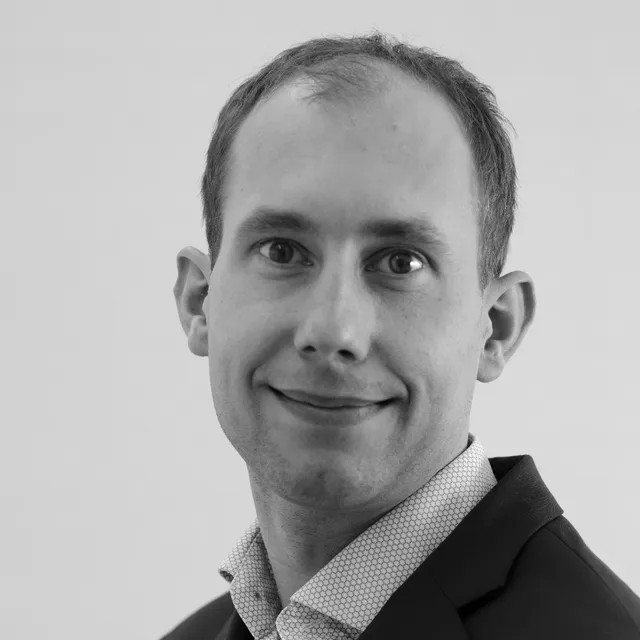 Pieter BroereInformation Management Advisor
I’m Pieter Broere, an information management advisor focused on improving how organizations use and manage information. I enjoy turning complex challenges into clear, practical solutions and helping teams make smarter, future‑proof decisions. With a calm, analytical approach, I work at the intersection of strategy, digital transformation, and collaboration.
-
Menno de VriesInformation Management Advisor(Princess Máxima Center)
Menno de VriesInformation Management AdvisorPrincess Máxima Center
Menno de Vries is an information management advisor at the Princess Máxima Center, where he plays a key role in strengthening the organization’s research data and Research‑IT landscape. With a background in biomedical sciences, he works closely with researchers, data stewards, and IT‑Research specialists to improve data governance, streamline workflows, and support the adoption of FAIR and secure data‑handling practices across the institute. He is implementation lead of the findability infrastructure for research, enabling researchers to easily locate and explore distributed datasets across the organization and beyond.
-
 Jet ZoonData Steward Research(Princess Máxima Center)
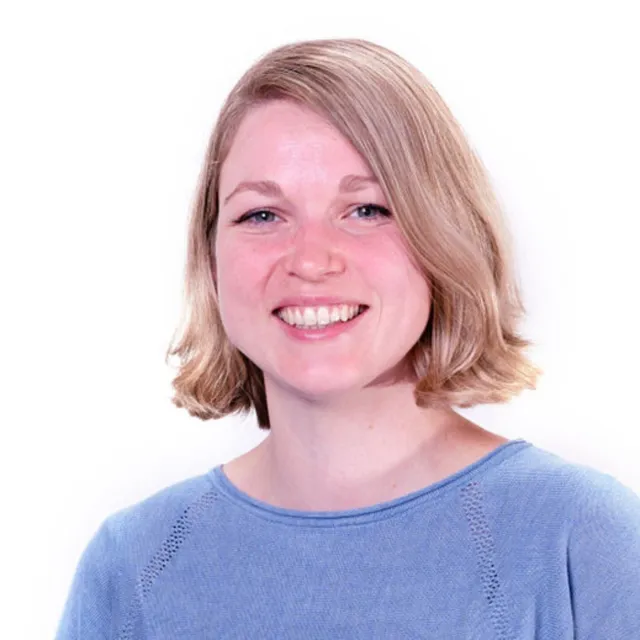 Jet ZoonData Steward ResearchPrincess Máxima Center
Jet Zoon works as a Data Steward Research at the Big Data Core of the Princess Máxima Center for Pediatric Oncology. Here she raises awareness of good RDM practices by developing and providing training and support, and coordinating a community of local data stewards to help good data practices reach researchers at every level. With a background in neuroscience, she brings a researcher's perspective, helping teams understand and apply the FAIR data principles in their day-to-day practice.
As part of a broader data governance project, Jet was responsible for developing a core metadata standard tailored to research needs. At the SURF Research Day, she will share the process of arriving at a standard that strikes a pragmatic balance — concise and researcher-friendly, yet robust enough to make data meaningfully findable and reusable — without overburdening the researchers it's meant to support.
13:15 Innovation everywhere, infrastructure nowhere? Rethinking Dutch RDM
Do you wonder how all the different research data management tools and initiatives in the Netherlands actually fit together? Are waiting to see how innovation projects can lead to sustainable research services? Many institutions and funders invest heavily in research data management, yet the landscape still consists of many parallel services, platforms and collaborations. Innovation funding often adds new solutions rather than streamlining this already crowded ecosystem.
In the first part of this session, you will contribute to an open discussion how local RDM initiatives, institutional strategies and national infrastructure relate to each other. You reflect on how the current landscape of tools, consortia and platforms has emerged — and whether it is moving toward a coherent national ecosystem or remaining a collection of individual efforts. In the second part, a panel of representatives at different levels – institutional, national, European – will present their ideas on a national RDM strategy and reflect on input from the audience.
Using examples from national collaborations such as Yoda and Digilab, we try to answer an urgent question: how do we align fixed-term innovation investments with the long-term sustainability of the services researchers depend on?
After this session you will:
• Gain a clearer picture of the current Dutch RDM landscape and the collaborations shaping it.
• Recognise the challenges that arise when innovative data services grow into essential infrastructure.
• Exchange perspectives with peers on how institutions and national partners can better align innovation, coordination and long-term sustainability.
-
Marcel RasManager Netwerk Research Data Support(Vrije Universiteit Amsterdam)
Marcel RasManager Netwerk Research Data SupportVrije Universiteit Amsterdam
Marcel is Manager Netwerk Research Data Support bij Vrije Universiteit Amsterdam and chair of the DCC-IN.
-
 Erik van den BerghHead of Research IT Services(Wageningen University)
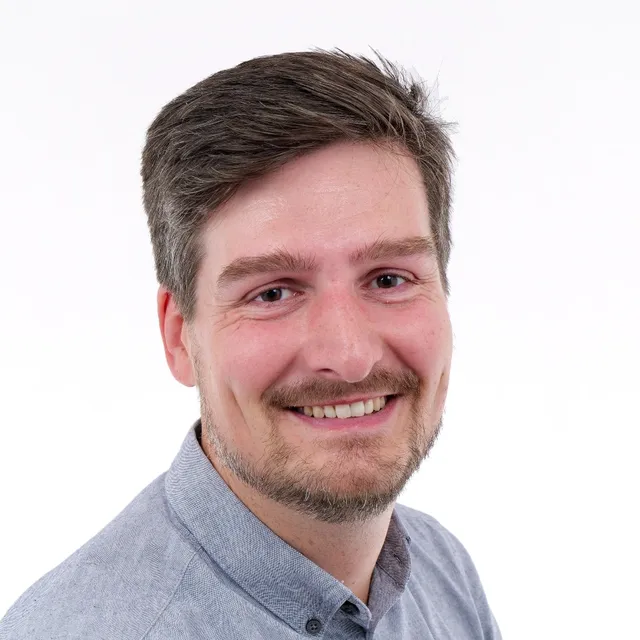 Erik van den BerghHead of Research IT ServicesWageningen University
Connecting science and technology has been a red thread throughout Erik’s career. From humble beginnings writing code to process large next-generation sequencing data, to designing cloud pipelines at the European Bioinformatics Institute in Cambridge. After several years focused on technology, his work gradually shifted toward policy and strategy, standing at the origins of one of the first Data Competence Centres in the Netherlands. Facilitating the cultural change needed to adopt data and technology as an accelerator for research added a human dimension to the mix of tech and science. Currently, as head of Research IT Services at Wageningen University & Research and chair of the Yoda consortium, he works with institutions across the Netherlands to shape sustainable research data infrastructures at national scale.
-
 Claudia Behnke(SURF)
 Claudia BehnkeSURF
 -
 Ingrid Dillo(DANS)
 Ingrid DilloDANS
Dr Ingrid Dillo was Deputy Director at Data Archiving and Networked Services (DANS) in the Netherlands for 10 years. She is now affiliated with the institute as senior advisor. Ingrid holds a PhD in history and has worked in the field of policy development for the last 35 years. Among her areas of expertise are research data management and the certification of digital repositories. Ingrid is chair of the Board of the RDA Europe (Research Data Alliance). She led the EU-funded FAIRsFAIR and FAIR-IMPACT projects.
13:15 🪴 Pruning the Commons: improving Open Research Information together 🚀
Do you also struggle with missing ORCIDs, incomplete affiliations or conflicting open access metadata?
These gaps affect reporting, evaluation and discovery of research outputs. But where exactly do the problems occur in the research information chain, and what can we do about them together?
In this interactive workshop you will work with the first data-driven monitoring results from the ORI Monitoring Framework, based on use cases collected from Dutch universities and research funders. These results compare metadata quality across systems such as CRIS platforms, OpenAlex and OpenAIRE.
Instead of just presenting results, you will actively help identify interventions to improve open research information.
During the workshop you will:
- explore example dashboards showing gaps in PIDs, affiliations and differences of metadata records within different sources.
- discuss with peers where problems originate in the research information chain
- propose concrete interventions that institutions, infrastructures and publishers could implement
The goal is simple: move from monitoring problems to improving the ecosystem together.
Your input will help shape the next steps in ORI monitoring, dashboard development and community improvement actions for an open research information commons.
-
 Maurice VanderfeestenInnovation Manager Research Services(University Library of the Vrije Universiteit Amsterdam)
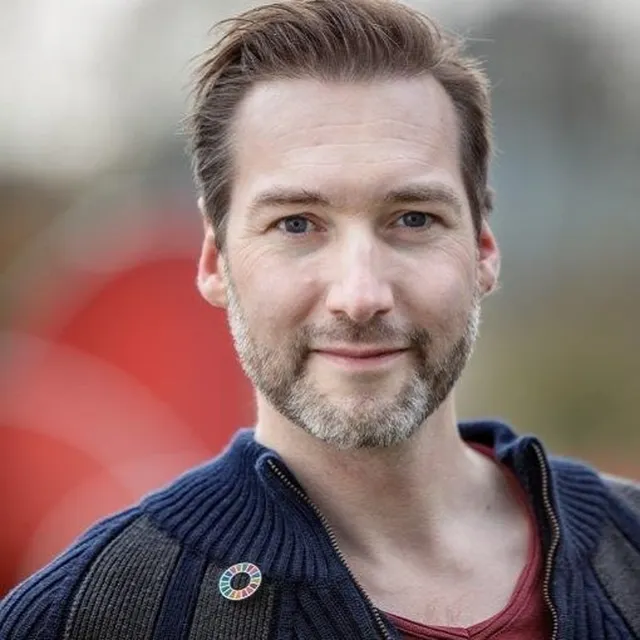 Maurice VanderfeestenInnovation Manager Research ServicesUniversity Library of the Vrije Universiteit Amsterdam
Maurice Vanderfeesten is a passionate merger of ideas. He currently works as Innovation Manager Research Services at the University Library of the Vrije Universiteit Amsterdam.
He believes in a multi-disciplinary approach and is responsible for co-creating library services for Open Science, Scholarly Communication Workflows and Research Intelligence.Maurice studied Information Sciences at Utrecht University, worked at SURF, a cooperation of Dutch universities for IT-innovation, on scholarly information infrastructures, Open Access repositories and enhanced publications, and worked at TU Delft on research data management.
-
 Bianca Kramer(SesameOpenScience)
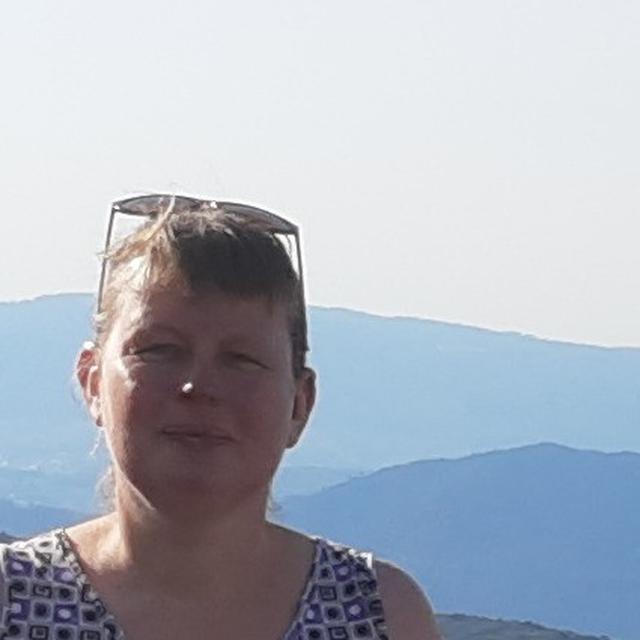 Bianca KramerSesameOpenScience
Advisor, analysist and workshop facilitator at SesameOpenScience
13:15 Scarce Resources, Sustainability Questions, Shared responsibility: How to make scarce resources sustainable?
Whether you want to optimize computing power, data storage, research information or open scholarly communication, we achieve this using scarce resources (infrastructure, expertise, support, etc.).
During an interactive workshop, we will explore together what these scarce resources actually are, how we can make the best possible use of the scarce resources we have, and what role each of us plays in this. How does an IT manager, a researcher, a research support staff member, see their roels, how do funders of research think, and how does SURF? And what does this actually mean for your role?
-
 Ymke van den BergProgram Manager(SURF)
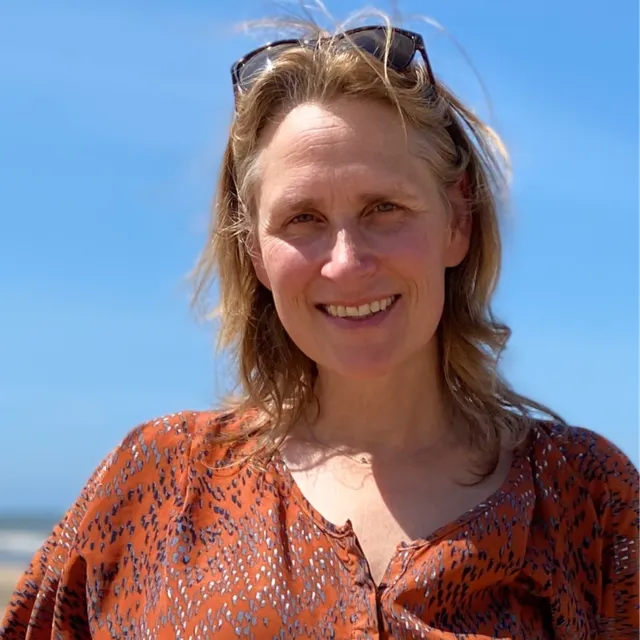 Ymke van den BergProgram ManagerSURF
Program Manager Making the most of Digital Research Infrastructures at SURF
-
 John Doove(SURF)
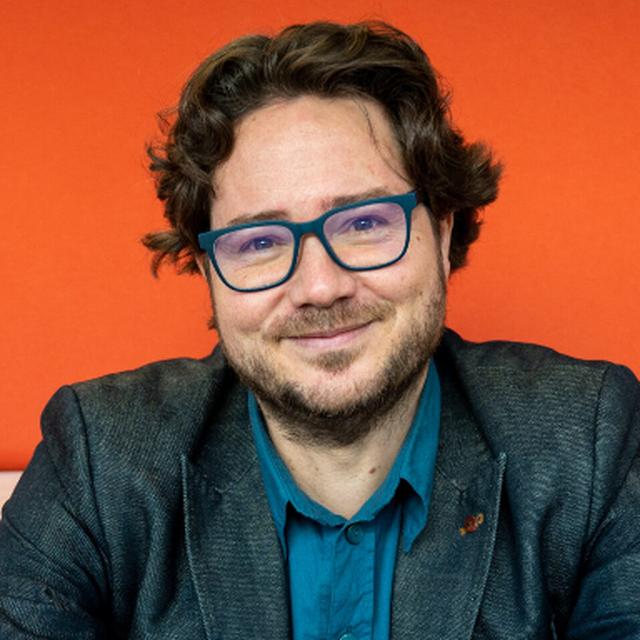 John DooveSURF
Programmamanager and Teamlead open science at SURF
14:10 Session Round 3
14:10 A secure closed archive for sensitive research data
Research often involves sensitive data. Ranging from (pseudonymised) medical records to interviews with threatened or persecuted individuals.
During collection and usage, but also after use, we want to store these records securely: protected against unauthorised access from outside, but also within the organisation. Even against sysadmins and dataset access managers. Recent examples of data-breaches at Clinical Diagnostics and ODIDO stress the urge for more solid security and privacy measures.
To achieve this at new levels of privacy and security, University of Amsterdam is developing a new digital archive, using the open source PEP Repository software developed at Radboud University in Nijmegen. The PEP Repository software has been developed and in use since 2016 for several large longitudinal studies on sensitive data, and was designed for this purpose by a group of privacy experts, academic researchers and digital security experts with novel cryptographic privacy enhancing techniques (PETs).
During this presentation, Tim Fierens from UvA’s ICTS will discuss the challenges in implementing the digital archive in a responsible manner. Joep Bos-Coenraad, project leader and co-developer of the PEP Repository, will explain how the privacy-by-design approach enables what was previously ethically impossible.
-
 Joep Bos-CoenraadProject Leader(Radboud University)
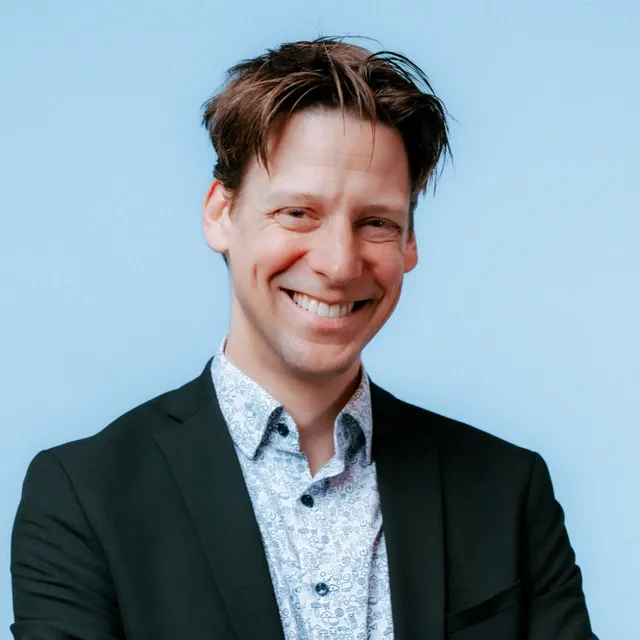 Joep Bos-CoenraadProject LeaderRadboud University
Project leader at Radboud University for the open source PEP Repository software for responsible data sharing.
-
 Tim FierensSolution Architect(University of Amsterdam)
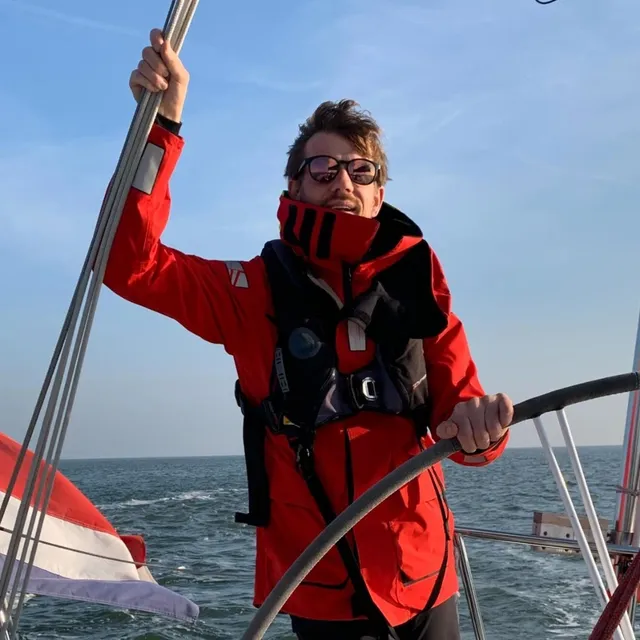 Tim FierensSolution ArchitectUniversity of Amsterdam
Solution Architect focused on research within the University of Amsterdam and the Amsterdam University of Applied Sciences.
14:10 Can the research sector build its own collaboration platform?
Do you collaborate daily in tools like Microsoft 365 or Google Workspace? And do you ever wonder how much control the research sector still has over the digital environments where research happens?
In this session you discover how Dutch research and education institutions are exploring an alternative: a sector-wide collaboration environment based on open-source technology. Instead of relying entirely on commercial ecosystems, institutions are experimenting with a shared platform that combines file sharing, document editing, communication and collaboration in one environment.
More than thirty institutions are currently participating in a pilot to test how such an open collaboration platform can work in practice. The goal is not to replace existing tools overnight, but to explore how the sector can gain more strategic choice and influence over the digital infrastructure used for research and education.
During this session you will discover:
- what digital autonomy means in practice for research institutions
- what it takes to build a shared collaboration environment across organisations
- what lessons we are learning from the current multi-institution pilot
Curious whether a sector-driven collaboration platform can really work? Join this session and explore what the future of digital collaboration in research could look like.
-
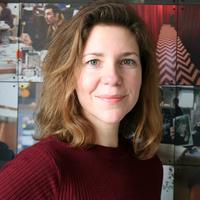 Claudia van KruistumProject Manager SURF Next Cloud(SURF)
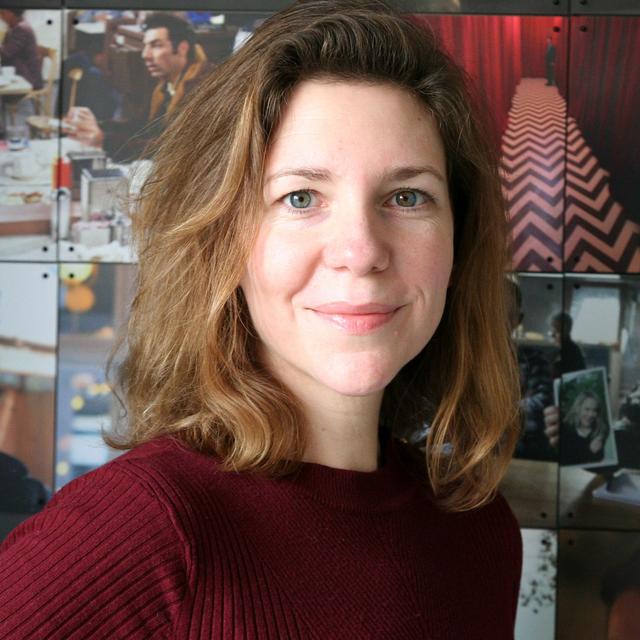 Claudia van KruistumProject Manager SURF Next CloudSURF
I work on digital autonomy in research and education, focusing on how digital infrastructure can support collaboration while giving researchers and educators more control over their data and tools.
I am currently project manager of the SURF Nextcloud pilot, a national initiative in which multiple institutions build and test an open collaboration platform for research and education.
My background is in educational sciences, where I worked as a PhD candidate, postdoc and university lecturer. Today I work at the intersection of research, education and IT, focusing on open technologies and shared infrastructure for the sector.
14:10 Can You Trust AI? A Researcher’s Guide to Truth‑Finding
Do you use language models in your research or support, but sometimes doubt whether the answer is correct? In this interactive session, you will discover how to quickly and practically check AI results using the SURF AI Hub.
You will start in a secure, sovereign AI environment that runs in the SURF data center and is built on public values such as autonomy and fairness. In a short live demo, you will see how convincing AI can sound when it is wrong: hallucinations, fabrications, and false certainties. You will then practice with simple checks that you can immediately apply in your own work.
You will also discover how small choices in your prompt—such as framing or bias—can have a major impact on what the AI makes seem “true.”
-
 Rob van der WilligenDrives the technical development of the HR AI-Hub
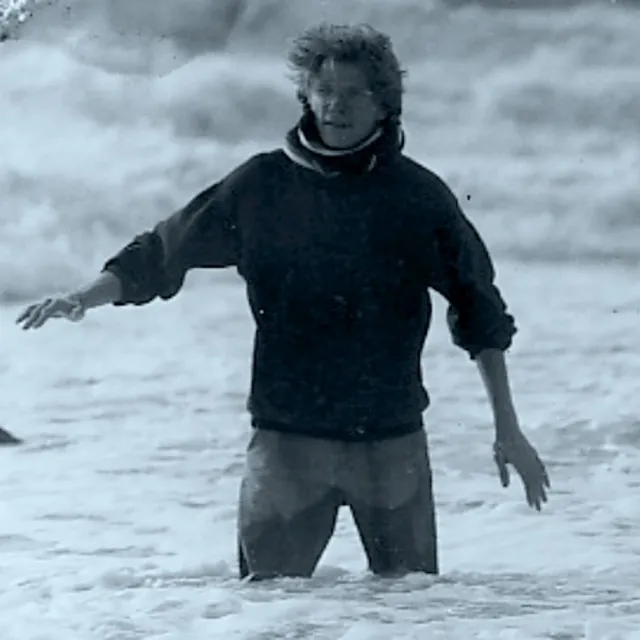 Rob van der WilligenDrives the technical development of the HR AI-Hub
With a PhD in biophysics, Rob van der Willigen serves as the Tech-Lead of the HR DataLabs: Healthcare, EAS and AI SusTech; specializing in creating robust data infrastructures (Data Fabric) for explainable AI and Neural Networks. In 2019, he founded the Prometheus Data Science Lab as part of the SURF Digital Competence Center for Practice-Oriented Research, underscoring his deep commitment to the ethical and responsible application of artificial intelligence.
He currently drives the technical development of the HR AI-Hub (https://hr-ai-hub.github.io/), providing researchers with sovereign, secure, and on-premises generative AI workflows. Furthermore, his postdoctoral research with the Donders Center for Neuroscience on natural language comprehension forms the scientific foundation for his ongoing focus on machine learning, truth-finding protocols, transparent AI systems and the biological origin of language understanding.
14:10 Data & Compute Services at SURF
Curious about what SURF does? Join us as we showcase our compute and data services. We offer solutions for processing, storing, managing, sharing, and publishing data, along with high-performance and cloud computing. We'll discuss our portfolio, future vision, current challenges, and upcoming roadmap.
-
 Daan de JongLead product manager for compute services(SURF)
 Daan de JongLead product manager for compute servicesSURF
Daan is the lead product manager for compute services at SURF.
-
 Narges Zarrabi(SURF)
 Narges ZarrabiSURF
Lead product manager for data services at SURF
14:10 FAIR-ification approaches for Chemistry from FAIR4ChemNL and VHP4Safety
In this session you will first learn about the activities of the FAIR4ChemNL and VHP4Safety projects which have been actively working on making chemistry research output more FAIR.
You will discover how we are exploring solutions from the international chemistry communities, e.g. IUPAC, NFDI4Cat, NFDI4Chem, and from the Dutch research community, like SURF’s Taxila and PeerTube platforms for sharing training events and educational material.
FAIR4ChemNL focuses on chemical catalysis and the VHP4Safety platform focuses on chemical safety assessment.
The session will continue with an open discussion on how IT supporters can best help researchers to make their chemistry data more FAIR.
-
Egon WillighagenResearcher & teacher(Maastricht University)
Egon WillighagenResearcher & teacherMaastricht University
Researcher and teacher at Maastricht University.
14:10 Sowing with Data, Harvesting with AI
In this presentation you will learn about practical use cases of applying AI in the domain of HAS green academy.
HAS green academy, with 3.000+ students the biggest HBO green school in The Netherlands, started last year with a new research group. The name of this research group is "Data Intelligence for Sustainable Transitions". The group consists of +/- 10 researchers with a solid background in applied biology, geography, ecology, food technology and agriculture.
With this new group, HAS green academy aims to provide a powerful impulse to research on how spatial data intelligence can deliver added value to the sustainable transitions of our living environment. These transitions contribute significantly to climate adaptation, energy transition, and biodiversity in both urban and rural areas.
The research group focuses on the core areas Knowledge Modeling, Remote Sensing, Digital Twins, AI and Data & Ethics.
In this presentation, we will explain why high quality research data is extremely important for us. This explains the title “Sowing with Data, Harvesting with AI”. We will also pay attention to the AI Roadmap of HAS green academy + the connection with SURF.
The presentation of Harm and Koen will be interactive and includes a practical demo of an AI use case we recently implemented.
-
 Harm BodewesAdvisor, teacher and blog writer(HAS green academy)
 Harm BodewesAdvisor, teacher and blog writerHAS green academy
“Data” has been the common thread throughout the career of Harm Bodewes: data modelling, data science, data warehouses, data lakes, (master) data management and data mesh are his main areas of interest. Harm advises organisations, teaches courses and gives presentations, writes blog posts and contributes to the podcast De Dataloog.
In December 2024, he was appointed Lector of Data Intelligence for Sustainable Transitions at HAS green academy. The research group investigates how technology can contribute to sustainable solutions in agriculture, food and the living environment, and connects these domains through artificial intelligence, data‑driven knowledge and applications. More information about the research group: https://www.has.nl/en/research/professorships/data-intelligence-for-sustainable-transitions-professorship/
-
 Koen Verschuren(HAS green academy)
 Koen VerschurenHAS green academy
I build scalable, open-source data ecosystems designed for complex transitions in agriculture and sustainability. With a background in Applied Data Science and Computer Vision, I focus on bridging the gap between high-level strategy and robust technical implementation.
My work at HAS green academy involves designing cloud-agnostic architectures that prioritize interoperability and transparency. I advocate for reproducible workflows and open standards over proprietary lock-ins.
Technical Focus:
- Engineering: Python, Airflow, Docker, PostgreSQL.
- Applied AI: Computer Vision (Animal Behavior), LLMs, Machine Learning Engineering.
- Data Management: CKAN, Open Metadata Standards, Sensor Data Integration.
- Domain Expertise: Sustainable Transitions, Agriculture, Learning Analytics.
14:10 SRAM enables groundbreaking international research with the world's largest radio telescope
How can researchers working at institutions spanning the globe use the tools and have seamless access to the science outputs of a large and complex radio telescope that generates petabytes of data annually?
In this session the team that has enabled SURF Research Access Management (SRAM) integration and operation for the Low Frequency Array (LOFAR) telescope system will take you on a journey of discovery that will show you how the end-goal of enabling user access transparency of a complicated research infrastructure system was achieved.
You will learn about the the path we took and the decisions we made leading to the current implementation, about our experience with SRAM as well as our day-to-day operations and maintenance of the system.
We will outline some challenges that we have faced interacting with the world-wide scientific community, which is our primary user base.
Finally, you will see what we envision to achieve in the future as we open more and more services to the world.
By the end of the session you will learn what it takes to implement the integration of SRAM within a system like LOFAR and what to expect when you open it up to the public.
-
 Mees Altenasoftware engineer(ASTRON)
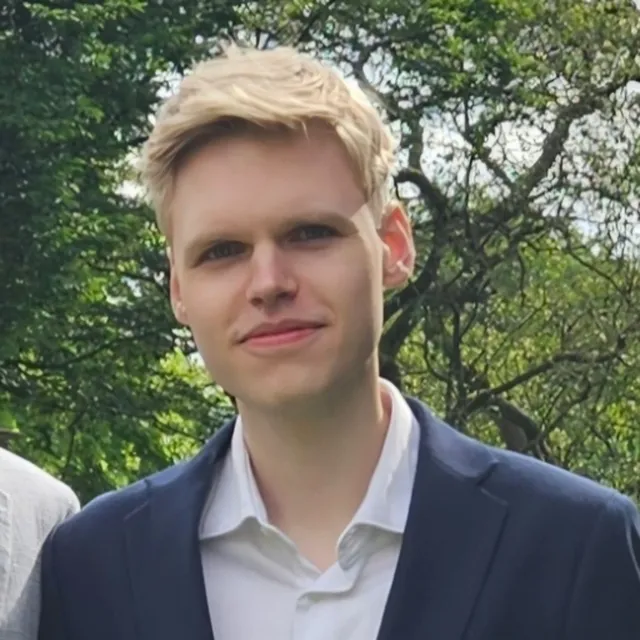 Mees Altenasoftware engineerASTRON
Mees Altena has a BSc in HBO-ICT with a specialization in Software Engineering, earned at Windesheim University of Applied Sciences. He has been working as a software engineer since 2022 and has been working in the same role at ASTRON since September 2024.
14:10 What Does It Take? Essential Skills for Research Software Support
Do you wonder which skills are essential for providing hands-on support to researchers during software development, or how to grow those skills in yourself or your team?
This session takes you through the experience of the Digital Competence Centre at TU Delft, where a team of Research Software Engineers (RSEs) and Research Data Engineers (RDEs) has been supporting research software development across faculties for the past five years. You will learn which skills and mastery levels they consider essential for managing research software projects, how the team structures support through a project-based model, and what lessons and recommendations you can take back to your own context.
After this session, you will have a clearer picture of what professional profiles make a support team successful in delivering research software services, which skills matter most for roles like RSE, RDE, and software, and how to think about professional development within teams that provide hands-on research support.
Whether you lead a support team, work in one, or are exploring these roles, you are welcome to join and share your perspective.
-
 Manuel Garcia AlvarezResearch software engineer(TU Delft)
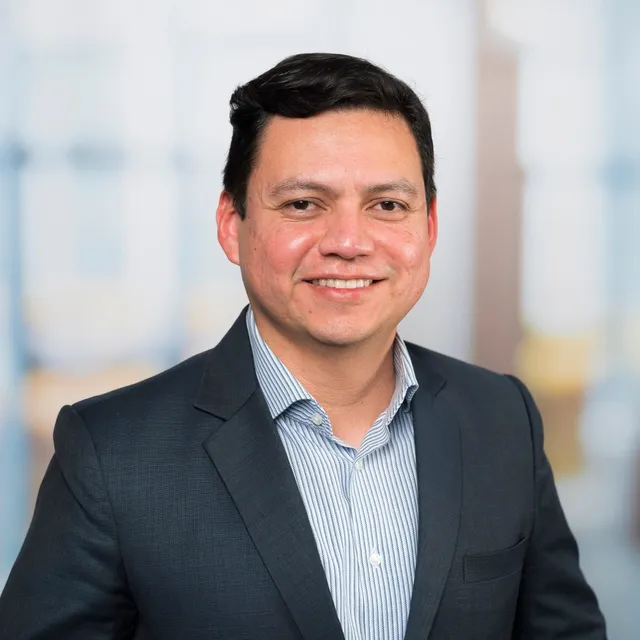 Manuel Garcia AlvarezResearch software engineerTU Delft
I am a research software engineer with backgrounds in geo-informatics, smart city technology and research, agricultural sciences, and education. I am also an eScience Fellow, and part of the Digital Competence Centre at TU Delft, where I have lead software projects, established cross-institutional collaborations, and taking part in national open science projects.
14:40 Afternoon break & poster presentations
In the catering area you can find the following booths.
- RDNL: National platform for data professionals
- 4TU.ResearchData
- TDCC’s
- Publinova: Make practical based research. more visuable and findable
- DCC-PO
- LCRDM Linked Data Working Group
- Dutch Interoperability Network
- Meet the SPII (Open Science infrastructure) - UNL
In the Showroom, you can find inspiration from several poster presentations and a VR demo of the SURF HPC Visualisation team.
- Ldot for Participant Management and Research Workflow - MEMIC, Maastricht University
- FAIR Research Data Management - Training Materials Ready for Reuse - DANS
- Social sciences data? ODISSEI Portal - DANS
- Discover the Research Data Alliance (RDA)'s hidden RDM gems - DANS
- From Community Projects to Sustainable Practices - TDCC-NES
- Synthetic Data: What are we waiting for? - TDCC-SSH
- Connecting Dutch Caribbean Minds - Dutch Caribbean Digital Competence Network
- To sign or not to sign (consent forms) - Geosciences Faculty at Utrecht University
- From code to community: building sustainable research software together - eScience Center
- Landelijke Docs: Contribution Carnival - UBVU Amsterdam
- Measuring Open Science with Large Language Models: A New Toolkit - University of Amsterdam
15:10 Session Round 4
15:10 Building SSH Data Futures Together: Lessons from Collaborative Projects
Across the Social Sciences and Humanities, many of the most pressing research data challenges are best addressed through collaboration - in the space between infrastructures, research practices, and support communities. The Thematic Digital Competence Centre for the Social Sciences & Humanities (TDCC SSH) was created to surface shared challenges and support collaborative solutions.
Since 2023, the programme has facilitated access to NWO funding, enabling a growing portfolio of projects addressing topics such as synthetic data, audiovisual workflows, sensitive data reuse, multimodal research data, and the responsible use of online public material. What these projects share is not only their technical ambition, but their collaborative nature: they bring together researchers, data professionals, infrastructures, and other research-performing organisations to address issues that no single actor can solve alone.
This session will highlight a selection of projects from the TDCC SSH portfolio, focusing on lessons learned from developing and implementing cross-institutional solutions. Speakers will reflect on how community needs can be translated into practical tools, workflows, and guidance, and how collaboration across institutions and domains can accelerate progress in FAIR data and software practices.
The session will also look ahead. Drawing on experiences from the project portfolio, we will invite the audience to reflect on how these lessons might shape future directions for collaborative initiatives in the SSH domain.
By connecting experiences across projects and institutions, the session aims to spark discussion, inspire new collaborations, and highlight how collective efforts can strengthen the future of SSH research.
-
 Nicole EmmeneggerNetwork Manager(DANS)
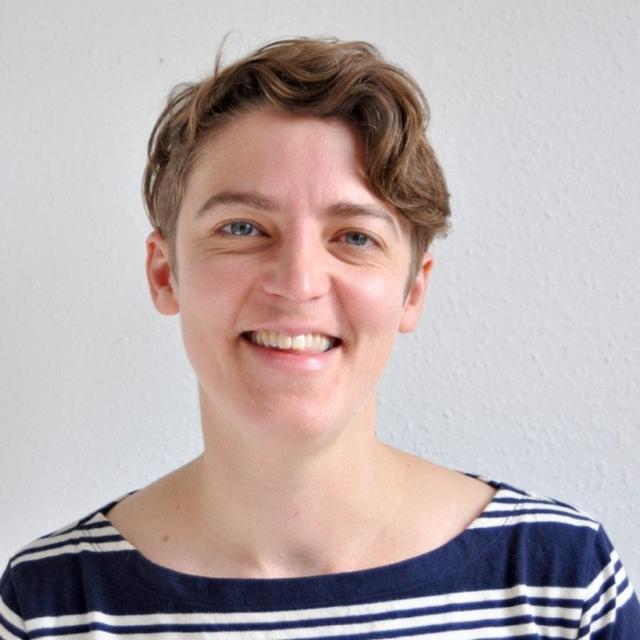 Nicole EmmeneggerNetwork ManagerDANS
Nicole Emmenegger is Network Manager of the Thematic Digital Competence Centre for the Social Sciences and Humanities (TDCC SSH) based at DANS. In this role she works at the intersection of research, infrastructure, and policy to strengthen FAIR data and software practices across the Dutch SSH landscape.
Nicole brings nearly two decades of experience in strategic programme direction, policy development and international collaboration. Before joining DANS, she worked in the cultural heritage sector, including at the Netherlands Institute for Sound & Vision, where she focused on digital innovation and research collaboration.
Her work centres on building communities around responsible data practices, strengthening digital research infrastructures, and ensuring that the Social Sciences and Humanities are well positioned within broader national and European open science initiatives.
15:10 Co‑Creating the National Training and Community platform for Data Professionals
Almost 1.5 year into building a national training and community platform for data professionals, this session will get you up to speed on the work done so far, on how it will help you grow as a data professional or strengthen your organisation’s training strategy. You will also hear how you can be involved.
Data professionals are instrumental in the transition to Open Science and the increasing demand for high-quality data. Their role in Dutch research performing organisations (RPOs) is developing rapidly and with it, the competencies required to fulfil the job. To meet the growing demand for well-trained data professionals, Research Data Netherlands (RDNL) develops a national training and community platform. The project to make this happen is funded by Open Science NL and will be running until 2028.
Key components of this platform will be a national curriculum and competency framework for data stewards, relevant training courses offered by various training providers, including a newly developed Train-the-trainer course, learning paths and community profiles to help you identify peers to connect with. But: it only works if it fits your needs, as a data professional, training provider or RPO, that’s why we want to achieve this in co-creation with you.
-
 Fieke SchootsTraining coordinator(Health-RI)
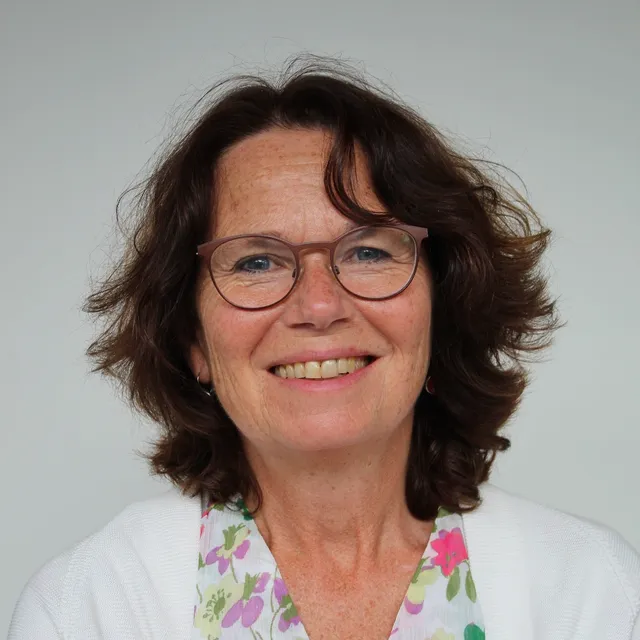 Fieke SchootsTraining coordinatorHealth-RI
I work as a training coordinator at Health-RI, where I am enthusiastically committed to professionalising data stewardship through national initiatives such as RDNL, the TDCC-LSH FAIR fellowship programme and the LEARNFAIR project. Within the Health-RI network, we organise a yearly course for data stewards in the health domain. Before moving to Health-RI, I was a central data steward and a subject librarian at Leiden University Libraries.
-
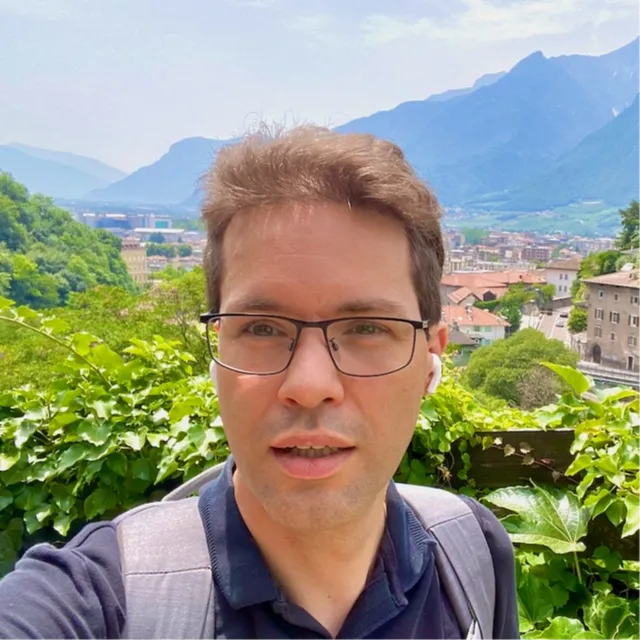
 Dorien HuijserTraining coordinator(4TU.ResearchData)
 Dorien HuijserTraining coordinator4TU.ResearchData
Dorien works at 4TU.ResearchData (Delft) as Training coordinator for the Open Science NL-funded project to create a National training and community platform for data professionals. This project is carried out by Research Data Netherlands, a consortium consisting of 4TU.ResearchData, DANS, Health-RI and SURF and lasts until 2028.
Previously, Dorien worked as a data steward in several universities.
15:10 Creating a Dutch Platform for AI-Driven Research
Struggling to connect the right datasets, models, and computing resources for your AI projects? Discover how we are building a national infrastructure for AI-driven research! We aim to seamlessly link open data, powerful compute, and diverse communities to turn collaboration into something much greater than the sum of its parts.
We present Project Hippocampus, an NWO Open Science project to build a unified Dutch infrastructure for AI. At the core of this project is OpenML—a popular open-source platform where researchers globally share machine learning datasets, algorithms, and experimental results.
While OpenML excels at sharing knowledge, advancing modern AI requires connecting minds across different tools and computing environments. By integrating OpenML with major infrastructures like SURF, DANS, and Hugging Face, we are bridging silos to create a seamless ecosystem. This integrated Dutch platform acts as a shared "collective memory" for AI-driven science, making research highly transparent, reproducible, and accessible.
After this session, you will better understand:
- What OpenML is and how to use it to discover and share AI datasets, pipelines, and experiments.
- How we aim to connect these resources seamlessly with high-performance computational power at SURF.
- How to get involved and collaborate to grow the open science community around OpenML to address future research challenges together.
Target Audience: Researchers, data stewards, and research supporters passionate about collaborative open AI infrastructure.
-
 Joaquin VanschorenAssociate professor(TU Eindhoven)
 Joaquin VanschorenAssociate professorTU Eindhoven
Joaquin Vanschoren is an associate professor at TU Eindhoven and leads the research group on Advanced Models through Open Research and Engineering (AMORE). He aims to scientifically understand and build AI systems with advanced capabilities, and make AI accessible to benefit all of humanity.
He founded OpenML, an open science platform to streamline and accelerate AI research. He was the inaugural chair of the NeurIPS Datasets and Benchmarks track, co-founder and editor-in-chief of the DMLR journal, co-chair of the MLCommons AI Risk & Reliability working group, and co-founder of the Croissant standard for AI datasets.
He is a founding member of the European AI societies ELLIS and CAIRNE, authored the first book on AutoML, gave tutorials at NeurIPS and AAAI, won several awards (including the Dutch Data Prize and Amazon Research Award), and has been interviewed for news articles in Nature, Science, and podcasts.
-
 Yue Zhao
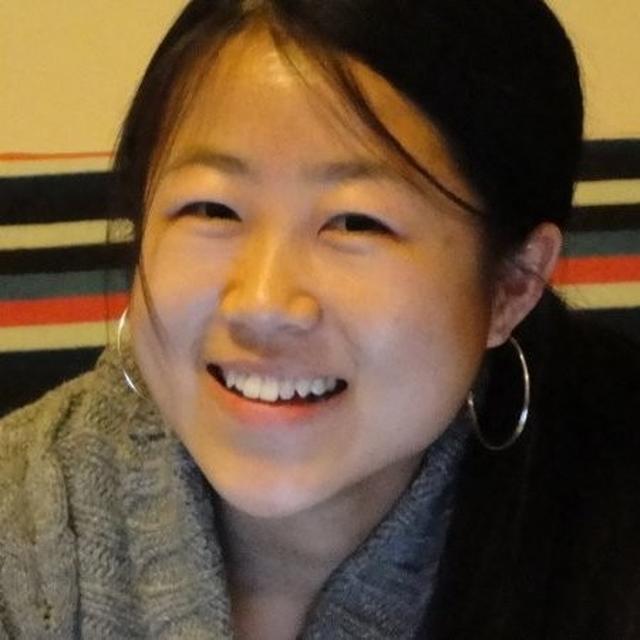 Yue Zhao
High Performance Machine Learning Advisor at SURF
15:10 Data transfer orchestration: any help needed?
Data transfer orchestration: any help needed?
Do you need help in copying data, especially large data sets, from a data repository to a compute environment?
Do you want to share data with other researchers and you do not find an obvious way to do it?
Do you experience frustration when you need to first download those data to your laptop and then copy them somewhere else?
Then this session is for you.
You will hear about a new data transfer tool, Neptune, which allows you to orchestrate large data transfers between different storages and data repositories.
It comes with an intuitive Web UI and an API that allows you to easily integrate with other tools.
Are you familiar with SURFfilesender?
Just as SURFfilesender helps you to upload data from your laptop and share them with other users, Neptune helps you to copy data between different remote storages and to share those data with other users.
We will show you how to do all this during an interactive session.
-
 Claudio Cacciari
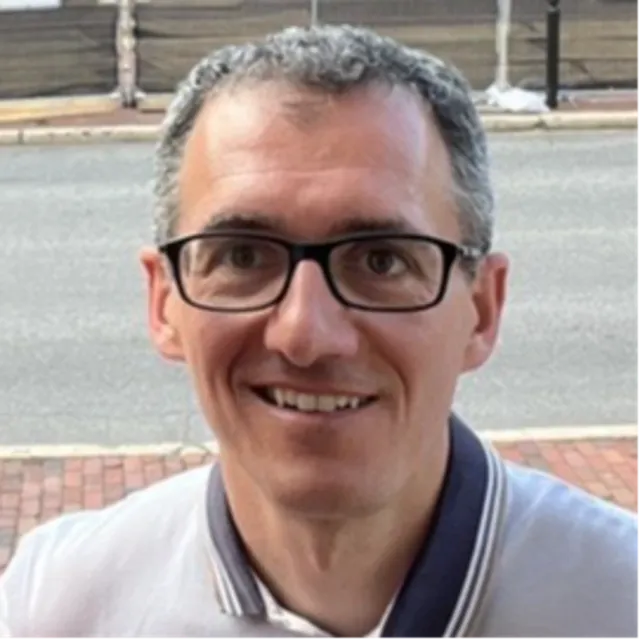 Claudio Cacciari
I am a physicist, but I have worked in the research data management field for the last twenty years. I have been working as advisor in the Data Management Service team at SURF (surf.nl) since 2019. I support researchers in using data management tools and services, like Yoda and iRODS, applying the best practices in research data management. With my team and other colleagues, I design new data platforms and solutions, in national projects, like Yoda as connecting infrastructure for seamless open science, within the Open Science NL program, and in EU projects, like Sustainable Green Europe Data Space (SAGE).
15:10 MAST4Sci: A Generative Multi-Agent-System Template for Science
Generative AI has significantly transformed research workflows. Beyond the direct use of LLMs for programming, writing, and reviewing tasks, agentic frameworks can build on these capabilities to support a broader range of research tasks. Such systems are particularly promising for addressing tedious and time-consuming aspects of scientific work.
Many agentic frameworks and tools have been proposed for both general and domain-specific tasks. However, building such systems from scratch still requires substantial effort. This motivates the development of a flexible template that allows researchers to easily experiment with different designs or build their own tools.
In this talk, we introduce MAST4Sci (Multi-Agent-System Template for Science), a template that provides core components including support for multiple LLM providers (including SURF AI Hub), planning modules, tool integration, and memory management. The template is designed to be easy to implement, enabling researchers to prototype and evaluate new task-specific agentic frameworks or build practical tools without having to implement the underlying infrastructure from scratch.
To demonstrate its capabilities, we present several implementations built on top of this template, including a metadata-from-dataset tool for research data management (developed in collaboration with SURF) and a meta-analysis tool for agricultural data extraction from scientific literature. These examples illustrate how the template supports the rapid development of diverse agentic applications across research domains.
-
 Zehao LuResearch Engineer in AI(Wageningen)
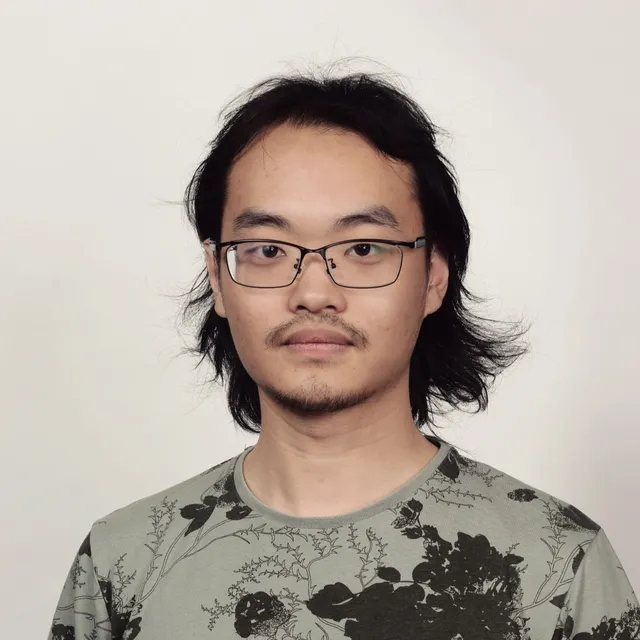 Zehao LuResearch Engineer in AIWageningen
Research Engineer in AI at Wageningen
15:10 Pratical experience with Whisper-transcription via SURF Research Cloud & AI-hub
At University of Applied Sciences Utrecht (HU), we are exploring the use of Whisper, an open-source speech-to-text model from OpenAI, for automatically transcribing research interviews and other audio sources. A key advantage of Whisper is that it can be hosted within our own infrastructure, eliminating the need to share sensitive research data with external commercial parties. Integration with SURF Research Drive also allows transcription data to be stored centrally and securely, without duplication.
In this interactive session, we will share our practical experiences setting up a Whisper-based transcription solution within the SURF Research Cloud. At the end of last year, we assessed the need for a transcription tool for researchers within HU University of Applied Sciences. There was a need. In the spring of 2026, we conducted a short proof of concept.
To avoid having to host the model ourselves, we subsequently joined the SURF AI-hub pilot, a potential new SURF service that makes open-source AI models available via an API. Our case study within this pilot is transcribing audio with Whisper.
During the session, we will demonstrate our technical setup, the choices we made, and the lessons learned. We will also discuss the next steps: a broader experiment with researchers.
The session is intended to share experiences and explore together how AI transcription can be deployed safely and practically within practice-oriented research environments.
-
 Stef de Grootresearch engineer(HU University of Applied Sciences)
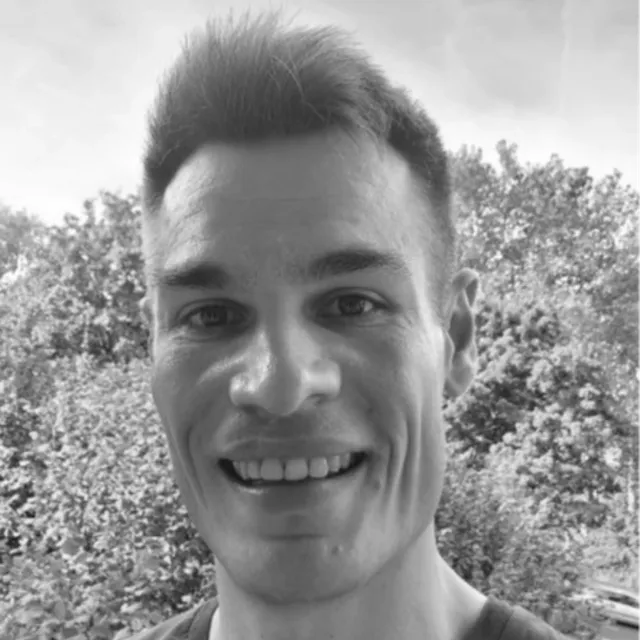 Stef de Grootresearch engineerHU University of Applied Sciences
Stef de Groot, a research engineer at HU University of Applied Sciences, has experience developing applications for various research purposes. He also manages HU University of Applied Sciences' VRE.
-
 Sander VlugterResearch Engineer DevOps.(Hogeschool Utrecht)
 Sander VlugterResearch Engineer DevOps.Hogeschool Utrecht
Sander Vlugter 31, Research Engineer DevOps.
Hogeschool Utrecht - Team Research Support & IT.In my role I support researchers across my organization by helping them design, develop, and scale research software and computational workflows. My work includes advising on coding challenges, enabling the use of platforms such as Research Cloud, and helping researchers navigate technical and infrastructure needs so they can focus on their projects. Alongside this, I contribute to strengthening the organization’s research ecosystem by administering the GitHub research organization, supporting SRAM processes, and guiding Research Software Management Plans—while continuously identifying opportunities to improve collaboration, reproducibility, and the sustainability of research software.
15:10 Researchers just love high impact journals, but are there career-proof alternatives?
Latin America has been pioneering a publishing model that could reshape how science is shared — without paywalls, article processing charges and commercial publishers. If you're curious about what that means for your own research practice, this session is for you!
You'll discover how Diamond Open Access, or community-driven open access, grew organically in the Global South out of necessity, and why this path looks very different from that in the Global North. You'll also explore how the publish-review-curate (and its many flavours) is providing alternative pathways to recognition and scholarly communication — and what that could mean for early-career researchers seeking meaningful ways to learn and contribute.
By the end of this session, you will:
- Understand what Diamond Open Access and publish-review-curate actually look like in practice
- Have space to reflect on what it would take — for you, your discipline, or your institution — to make these models the norm
This is a hands-on session. After a short introduction, you'll get to share your own perspective. What would need to change in your field? What's holding you back? Your input will directly help map where the Dutch research community stands on these shifts — and where the real opportunities lie.
-
 André BrasilResearcher(Centre for Science and Technology Studies (CWTS | Leiden University))
 André BrasilResearcherCentre for Science and Technology Studies (CWTS | Leiden University)
Researcher at the Centre for Science and Technology Studies (CWTS | Leiden University) and co-chair of the UNESCO Chair for Diversity and Inclusion in Global Science. André is a research fellow at the Research on Research Institute (RoRI), and he is also affiliated with the Brazilian Agency for Support and Evaluation of Graduate Education (CAPES).
-
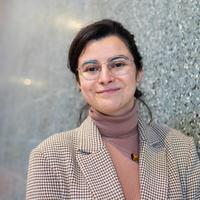 Maria Constantin(Erasmus University Rotterdam)
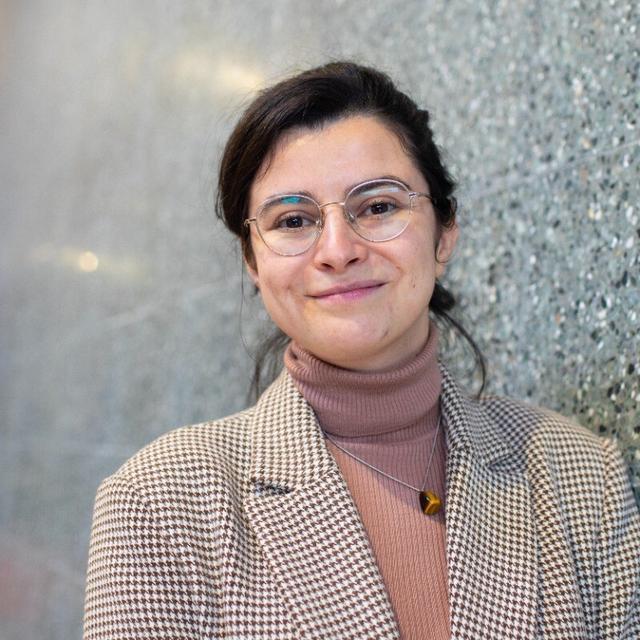 Maria ConstantinErasmus University Rotterdam
Open Access Officer at Erasmus University Rotterdam and project lead of the Diamond Open Access Expertise Centre
-
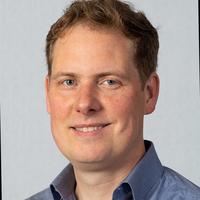 Thomas van Himbergen(SURF)
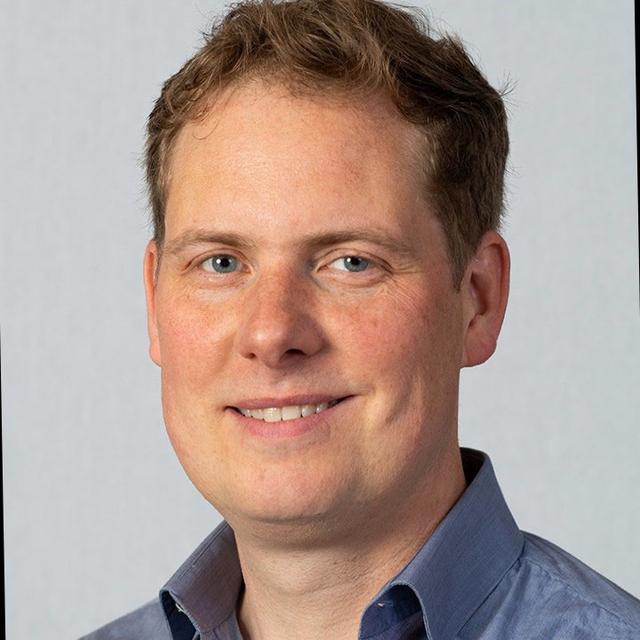 Thomas van HimbergenSURF
Project manager open scholarly communication projects at SURF
15:10 Responsible AI stack hacks for academic purposes
AI Technology is infiltrating the full tech stack of research workflows. Research is being done on AI, with AI, by AI, within existing software, through the creation of new software, on existing hardware and on new kinds of infrastructure.
Researchers are expected to and wish to act responsibly, however clear guidance is very hard to give in this very rapidly evolving landscape of AI technology.
We have developed a presentation that looks at responsible AI within the context of pushing research boundaries through the metaphor of “Free soloing”, i.e. rock climbing without the typical safety protections provided by climbing gear.
This presentation is being used within the university to facilitate open discussions on AI literacy, AI infrastructure, and specifically responsibility and risk awareness. Targeting questions such as: what are existing and emerging risks in the AI tech stack, whose responsibility is it to be aware of these risks and whose responsibility is it to establish or provide the mitigations in different kinds of research (and educational) environments?
At Surf Research Day we wish to bring some archetypical cases that have emerged from these sessions within the university. We will present these for an open discussion on responsible AI, the role of the researcher in taking responsibility and the role of service and AI infrastructure providers to take co-responsibility in providing (components of) the tech stack to do research on AI and with AI, or even by AI.
-
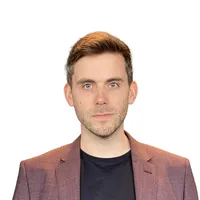 Erwin HoogverwoordResearch support and research infrastructure(Eindhoven University of Technology)
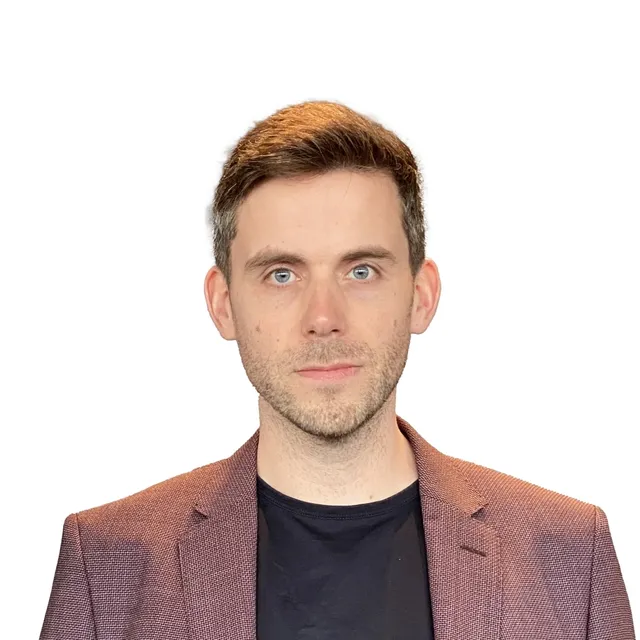 Erwin HoogverwoordResearch support and research infrastructureEindhoven University of Technology
I'm working in the domain of research support and research infrastructure at Eindhoven University of Technology. My focus is on organising and optimising organisational and IT processes for researchers to scale up their research (data) workflows.
-
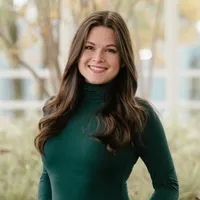 Kimberley ThissenInformation Technology Business Owner(TU/e)
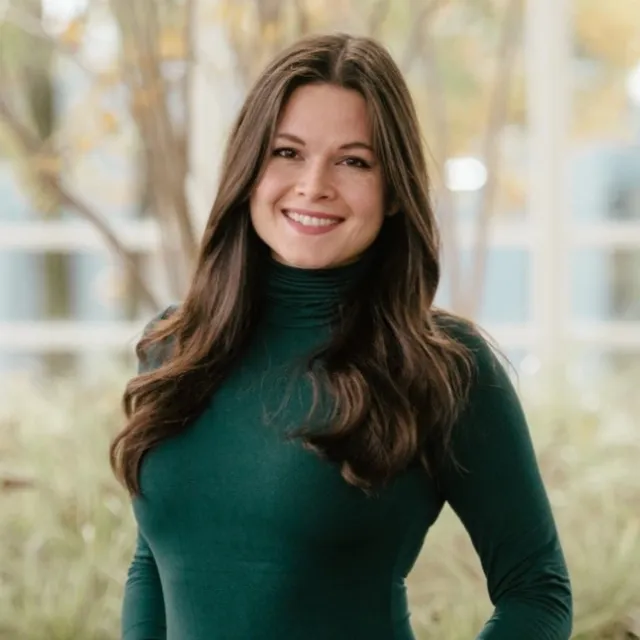 Kimberley ThissenInformation Technology Business OwnerTU/e
Information Technology Business Owner TU/e
15:50 Closing and keynote of Ayca Szapora
Ayca Szapora is a neuroscientist, cognitive psychologist and coach.
Ayca graduated with a focus on how creativity works in the brain, unconscious cognitive strategies, and how to change the way your brain solves problems and forms new ideas. In her interactive closing keynote she will shed light on how change works in our brain, how it can (often subconsciously) work against you and how you can give it a helping hand.
By bridging the gap between science and practical application, you will leave the SURF Research Day with enough tips and trics how to connect minds tomorrow when back at work.
-
 Ayca SzaporaNeuroscientist, cognitive psychologist and coach
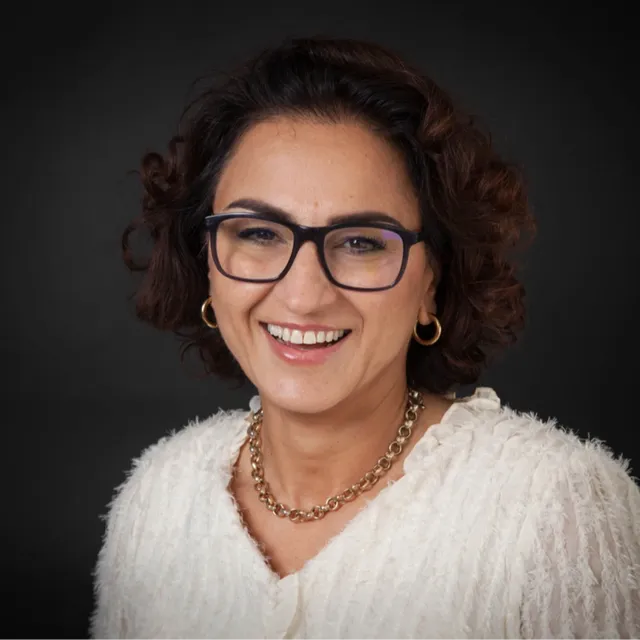 Ayca SzaporaNeuroscientist, cognitive psychologist and coach
Ayca Szapora is a neuroscientist, cognitive psychologist and coach.